






IV therapy for dehydration
The signs you’re running low on fluids, how an IV rehydrates you, the benefits and the risks, what a visit at home is like, and when you need the ER instead.
When your body loses more fluid than you take in, the result can range from mild discomfort to a medical emergency.
IV therapy for dehydration gives you fluids and electrolytes straight into your bloodstream, through a small line in a vein. Because it skips the digestive system, it’s used when someone is vomiting, too weak to drink, or more dehydrated than drinking alone can comfortably make up for.
Here’s how it works, the signs to watch for, the benefits and the risks, and when you should go to the emergency room instead of booking a visit.
What is IV therapy for dehydration?
It’s the infusion of sterile fluid, with electrolytes and sometimes vitamins, into a vein through a small, soft tube called a catheter. Think of it as a direct line to your bloodstream: the fluid doesn’t have to wait for your stomach and intestines to absorb it.
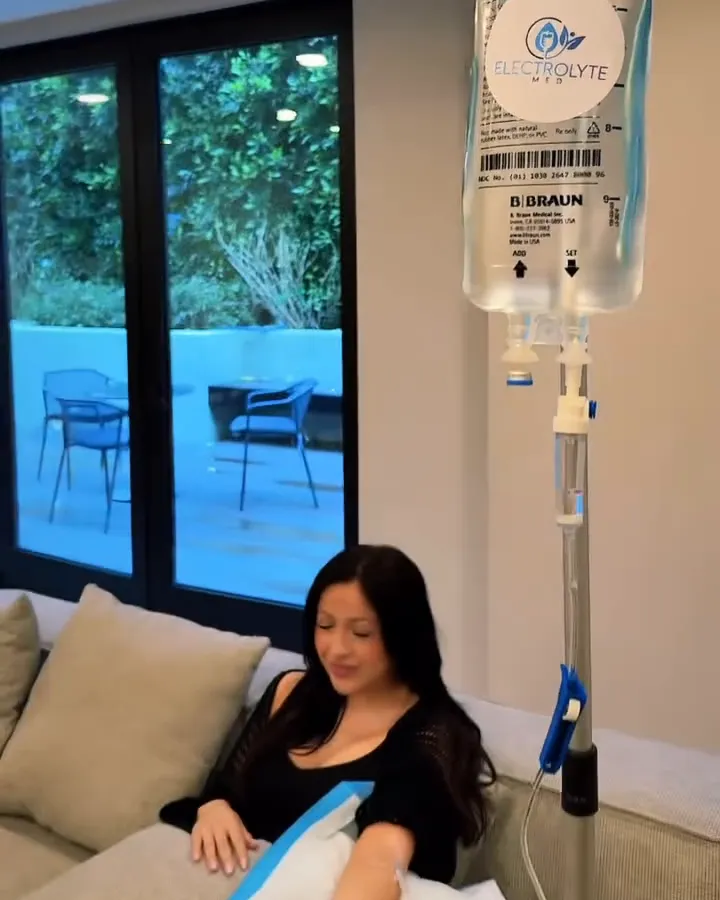
The IV line connects to a bag of fluid hung on a pole, and the drip rate is set and watched while it runs.
IV hydration is standard care in emergency rooms, hospitals and urgent care clinics, and it’s also given in supervised home visits. It’s meant to restore your balance for now: it doesn’t replace care for the cause of the dehydration, such as an infection or heat exposure.
What’s in the bag: types of IV fluids
For everyday rehydration, IV fluids are usually crystalloids: water with small dissolved molecules, mainly electrolytes like sodium and chloride, that move easily between your blood and your tissues.
Normal saline
A 0.9% sodium chloride solution that matches the saltiness of your blood. It’s the most commonly used IV fluid for rehydration, after a stomach bug or heat exhaustion for example.
Lactated Ringer’s
A balanced mix of sodium, chloride, potassium, calcium and lactate, closer still to the make-up of your blood.
Dextrose solutions
Fluids with a little sugar (dextrose) in them. They’re added when someone needs some glucose alongside the fluids, not used on their own to rehydrate.
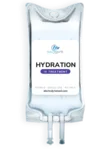
Which fluid is right depends on your age, your kidneys, your blood pressure, your electrolyte levels and the cause of the dehydration. Our medical team chooses yours after your consultation. Our Hydration drip is the simple one:
Hydration$279.99
Inside
IV fluids, Electrolytes
Given in a bag of IV fluids, for the rehydration. We do not charge travel fees within our standard service area. The price you see for the IV is the price you pay.
How IV rehydration works, step by step
An assessment first
Before any fluids, the medical team looks at your health history: your medications, your allergies and any heart or kidney conditions. With us, that’s a short telemedicine consultation before your nurse comes, to make sure IV therapy is right for you. Our medical team reviews your medical history before any treatment.
Placing the IV
Your registered nurse finds a suitable vein, usually in the forearm or the back of the hand, and cleans the skin. A needle guides a small, flexible catheter into the vein, then the needle comes out, leaving only the soft tube, which is taped in place. Most people feel a brief pinch. As little as we can make it. We know many people are afraid of needles, so our registered nurses make it as painless as possible and stay at your side throughout your treatment.
The fluids
The bag is connected through the IV tubing, and a clamp controls the drip rate. Treatment takes 30 to 45 minutes. Each person is different. While you receive your treatment you stay seated, and our nurse takes care of the rest.
Watching how you do
While the drip runs, your nurse checks on you, how you feel and how the IV site looks. Safety and cleanliness is our #1 priority for all of our clients. We use sterile, single-use equipment for every IV.
Causes and signs of dehydration
Dehydration happens when you lose more fluid than you take in, and it upsets things like temperature control, circulation and how your kidneys work.
Common causes
A stomach bug or food poisoning, when vomiting and diarrhea take fluid and electrolytes fast. The flu with a high fever. Heavy sweating in a heat wave or hard exercise without enough to drink. Alcohol, which makes you lose fluid. Not drinking enough.
Some people are at risk again and again: with diabetes that isn’t well controlled, on diuretic (water) pills, with kidney disease, with ongoing vomiting from pregnancy or chemotherapy, or older adults who find it hard to get a drink. Read more in illnesses that can dehydrate adults.
Mild to moderate signs
Thirst and a dry mouth. Fewer tears. Dark yellow urine, and less of it. A headache, or dizziness when you stand. Muscle cramps. Unusual tiredness. More in dehydration symptoms and what they mean.
Signs of serious dehydration: get medical care
Very little or no urine for 6 to 8 hours. A fast heartbeat with low blood pressure. Sunken eyes and very dry skin. Cold or blotchy hands and feet. Confusion, drowsiness or disorientation. Not being able to keep any fluid down for several hours.
Babies and small children show it differently: far fewer wet diapers, a sunken soft spot on the head, no tears when crying, fast breathing, or being unusually sleepy or irritable.
Anyone with these serious signs needs to be seen urgently, in an emergency room, not at home.
Who IV hydration is used for
Most mild dehydration gets better with drinking water and oral rehydration drinks. IV fluids are used when that isn’t enough:
When you can’t keep fluids down. After a stomach bug or food poisoning, our Stomach Flu drip adds B-Complex, Vitamin B-12, Antacid, Anti-nausea to the fluids.
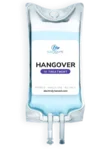
After a night out. Alcohol takes fluid and electrolytes. Our Hangover drip is B-Complex, Vitamin B-12, Vitamin C, Anti-nausea, Anti-inflammatory.
After hard exercise or a hot day. To replace the fluid and minerals lost in sweat. Heat exhaustion with collapse, confusion or vomiting that won’t stop is an emergency.
Older adults. Thirst fades with age, and some medicines make you lose fluid.
Morning sickness. When vomiting makes it hard to keep anything down, only with your doctor’s or obstetric team’s say-so. See IV therapy for morning sickness.
A note on “wellness” drips
People also book IV drips for tiredness, jet lag or a hangover. Serious dehydration always needs a proper medical evaluation first, and that’s why every visit with us starts with a consultation.
The benefits and the risks
The benefits
Fluids without your gut. An IV doesn’t depend on your stomach to absorb the fluid, which matters when you’re vomiting.
Electrolytes, measured. IV fluids can be chosen to replace the minerals you’ve lost, like the sodium lost to diarrhea.
Catching it early. Dehydration left too long can lead to kidney injury, seizures from electrolyte imbalance and shock, which is why the serious signs above need urgent care.
The risks
An IV is a medical procedure, and it has risks:
At the IV site: brief pain or a bruise; fluid leaking into the skin around the vein (infiltration); an irritated, inflamed vein (phlebitis); and, rarely, infection.
In the body: too much fluid for people with heart failure or kidney disease; the wrong electrolyte balance if the wrong fluid is used; and, rarely, an allergic reaction.
These risks are kept low by fitting the fluid, the amount and the rate to the person, and by watching them during the infusion. Medical supervision matters: an IV should never be self-given or unsupervised.
What to expect before, during and after
Before
Wear loose, comfortable clothes with sleeves that roll up easily. Have a list of your medications ready. Eat something light beforehand if you can.
- Book online or by phone. Every day, 8 AM to 8 PM.
- A short consultation. A telemedicine consultation with one of our providers, to make sure mobile IV treatment is right for you and to answer any questions you have.
- Your nurse comes to you. Generally, we can have a nurse come to you within 2 hours of your booking time within our coverage areas.
- Relax while your drip runs. Treatment takes 30 to 45 minutes, and your nurse stays with you.
- Carry on with your day. No clinic, no drive home.
After
When the bag is done, your nurse removes the IV and puts a small bandage on the spot. Then:
Keep drinking water and oral rehydration drinks. Go back to food slowly as any nausea settles. Watch your urine: pale yellow is a good sign. If dizziness, dark urine or tiredness come back, contact your doctor.
Staying hydrated afterwards
An IV deals with the fluid you’re missing today. Staying hydrated depends on the cause, so talk to your doctor if dehydration keeps coming back.
Most healthy adults need roughly 2 to 3 liters of fluid a day, though everyone is different. Drink more in hot weather, when you’re ill with fever, vomiting or diarrhea, and when you exercise hard. Eat water-rich foods like fruit and vegetables, and listen to your thirst.
If mild vomiting or diarrhea starts, don’t wait: take small, frequent sips of an oral rehydration drink, and avoid caffeine and alcohol.
When to go to the ER instead
Call emergency services or go to the nearest emergency room, rather than booking a visit, if there is:
Chest pain or trouble breathing. Fainting or nearly fainting. No urine for 8 to 12 hours. Signs of shock, like a weak, fast pulse. Dehydration in a young baby. Possible heat stroke: a high temperature, confusion, hot dry skin. Severe stomach pain.
When in doubt, get urgent care and let the doctors decide.
We come to you
For mild to moderate dehydration, a registered nurse comes to your home, hotel or office. No waiting room, no drive when you feel awful.
Greater Los Angeles
Santa Monica, Venice and Marina del Rey. Beverly Hills, West Hollywood, Hollywood and Downtown Los Angeles. Glendale, Burbank, Sherman Oaks and Pasadena. Long Beach and Torrance.
Palm Springs & the Coachella Valley
Palm Springs, Palm Desert, Rancho Mirage, La Quinta, Indian Wells, Indio, Cathedral City, Coachella, Desert Hot Springs and Bermuda Dunes.
Orange County
Newport Beach, Laguna Beach, Irvine, Costa Mesa and the rest of the county.
Questions people ask
How soon will I feel better?
Everyone is different. How you feel depends on how dehydrated you were and on the cause: a stomach bug or the flu can still leave you tired or queasy after the fluids are in. Rest, and keep drinking.
How long do the effects last?
That depends on whether you keep losing fluid, from ongoing diarrhea, fever or vomiting. If you need IV fluids again and again over days or weeks, see your doctor: it usually means something needs looking into.
Can IV therapy replace drinking water?
No. For most healthy people, drinking water and eating a balanced diet keep them hydrated. Frequent IV drips without a reason bring the risks above, like vein irritation or infection, without a clear benefit.
General information, not medical advice. Talk to your doctor about your own health.