





The keto diet and dehydration
Why cutting carbs can leave you low on fluids and electrolytes, what the “keto flu” really is, and how an IV may help while your body adjusts.
The keto diet has become a popular way to lose weight and improve metabolic health. Cut carbohydrates far enough and your body enters ketosis, where it burns fat for fuel instead of glucose.
For many people, though, the first days come with an unwelcome side effect: dehydration and the infamous “keto flu.”
Headaches, tiredness and muscle cramps in the first few days of keto are a sign your body is adjusting, and they often point to dehydration and an electrolyte imbalance underneath. Here’s why it happens, what helps, and how an IV may fit in.
The science behind the keto flu
The “keto flu” isn’t a real viral illness. It’s your body’s response to a big change in diet.
When you cut back on carbohydrates, your body’s main fuel, it starts to use up its stores of glycogen. Glycogen is stored with a lot of water: roughly three to four grams of water for every gram of glycogen. As those stores are used, that water is released, and you urinate more. It’s a big part of why the first weight lost on keto is mostly water.
That flush of water cuts both ways. It dehydrates you, and it washes out electrolytes too: sodium, potassium and magnesium, which your body needs for nerve signals, muscle contractions and blood pressure.
Why water alone often isn’t enough
Drinking plenty of water matters, but on its own it often doesn’t put back the electrolytes you’ve lost. It’s a common mistake when people are new to the diet: keto asks you to pay more attention to electrolytes than a traditional diet does.
The role of electrolytes on a keto diet
An electrolyte imbalance is behind much of the discomfort of the “keto flu.” Here’s what each of the main three does.
Sodium
The one to watch most closely on keto. A low-carb diet lowers your insulin levels, which signals your kidneys to let go of more sodium and water. Without enough sodium you may get headaches, tiredness and muscle cramps.
Potassium
Essential for fluid balance and healthy muscles and nerves. As sodium goes, potassium can drop too, which can bring heart palpitations and fatigue that won’t lift. Avocados and leafy greens are good food sources.
Magnesium
Involved in over 300 reactions in the body, magnesium matters for energy and muscle recovery. Low magnesium can bring the muscle spasms and cramps that are common with the keto flu.
How IV therapy may help
An IV isn’t a shortcut around the diet, but it can be a useful tool for the first, hardest stretch. Fluids and electrolytes go straight into your bloodstream, skipping your digestive system, which may help with the common keto-flu symptoms and help you stay on track with your goals.
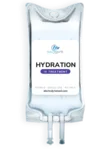
Our Hydration drip is the simple one for this:
Hydration$279.99
Inside
IV fluids, Electrolytes
We do not charge travel fees within our standard service area. The price you see for the IV is the price you pay.
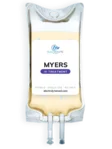
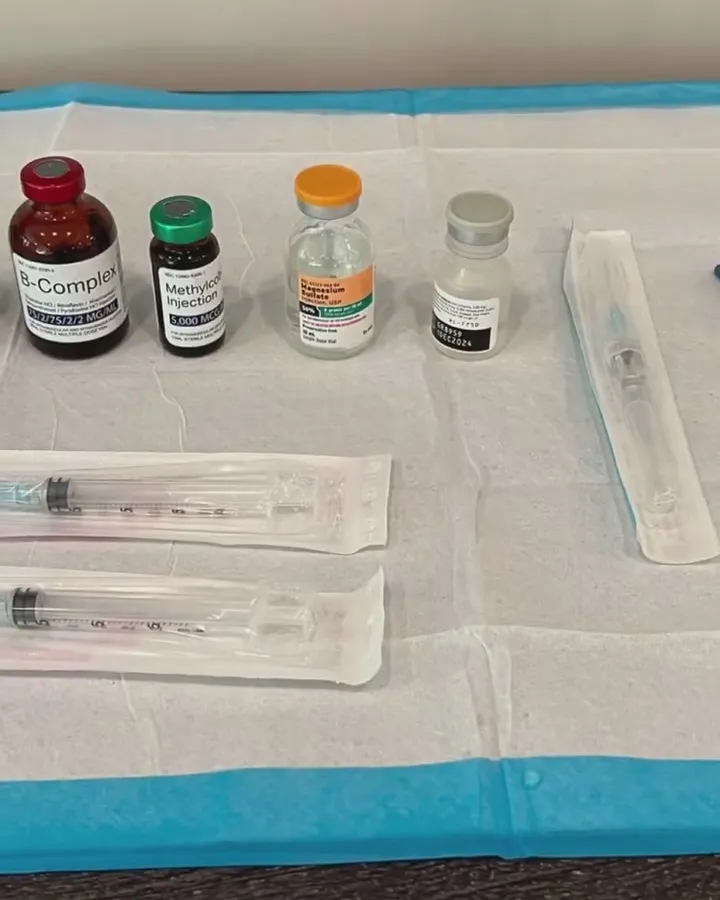
Want vitamins with your fluids? Our Myers drip includes magnesium: B-Complex vitamins, Vitamin C, Vitamin B-12, Magnesium, $329.99.
Read more about what electrolytes do in Electrolyte IV 101.
A word of caution
The keto diet has been used for over a century, first for people with epilepsy, but its popular use for weight loss is much newer. Go into it carefully. Talk to your doctor before you start the keto diet or any new treatment, IV therapy included: they can give you advice that fits you.
On our side: Our medical team reviews your medical history before any treatment. Before your first drip, you have a telemedicine consultation with one of our providers, to make sure IV therapy is right for you.
Staying hydrated beyond the drip
An IV can top you up, but day-to-day habits are what keep your fluids and electrolytes steady on keto.
Drink more water. Don’t wait until you’re thirsty. Carry a reusable bottle with you.
Try infused water. Slices of lemon, cucumber or mint make water more interesting, and they’re a good swap for sugary sports drinks.
Consider broth. Bone broth has sodium, potassium and other minerals, which makes it a handy way to replace electrolytes.
Eat electrolyte-rich foods. Avocados, spinach, mushrooms and nuts are all naturally high in them.
Keep track. A home ketone test tells you whether you’re in ketosis, and a water-tracking app keeps an eye on how much you drink.
What a visit looks like
- Book online or by phone. Every day, 8 AM to 8 PM.
- A short consultation. A telemedicine consultation with one of our providers, to make sure mobile IV treatment is right for you and to answer any questions you have.
- Your nurse comes to you. Generally, we can have a nurse come to you within 2 hours of your booking time within our coverage areas.
- Relax while your drip runs. Treatment takes 30 to 45 minutes, and your nurse stays with you.
- Carry on with your day. No clinic, no drive home.
Questions people ask about keto and IV hydration
Is the keto flu a real flu?
No. It isn’t a virus. It’s the name people give to the headaches, tiredness and cramps that can come as your body adjusts to cutting carbs, often from losing water and electrolytes.
Which drip do people book for keto dehydration?
Most often our Hydration drip: IV fluids, Electrolytes, $279.99. Our Myers drip adds vitamins and magnesium: B-Complex vitamins, Vitamin C, Vitamin B-12, Magnesium, $329.99.
A smarter approach to the keto diet
Keto can be a big change for your weight and your health. Getting through the early dehydration and electrolyte loss is a large part of sticking with it.
Understand what’s happening in your body, keep up with your fluids and electrolytes, and when you need a top-up, an IV at home may help you feel like yourself while you adjust.
General information, not medical advice. Talk to your doctor about your own health.