









Electrolyte IV 101
What electrolytes are, why you lose them, and how an electrolyte IV replaces them: what’s in the bag, when people book one, and the honest part about the risks.
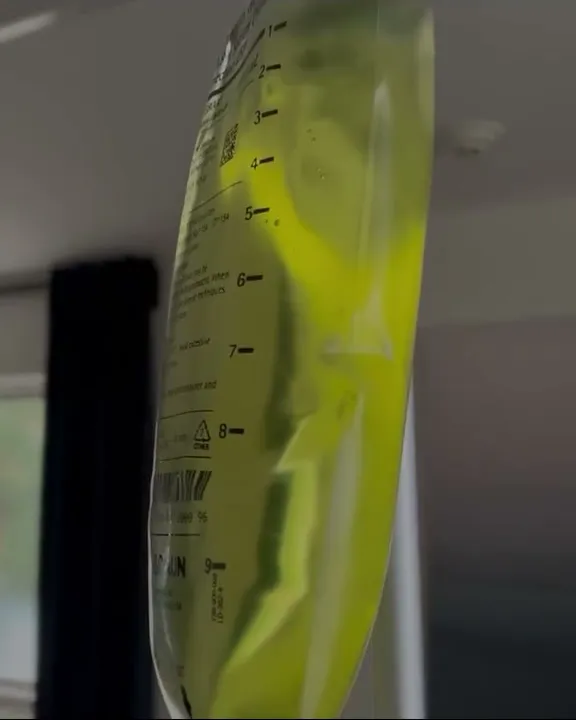
Hydration isn’t just about water. It’s about keeping the right balance of the minerals, called electrolytes, that help your cells work.
More than half of your body is water. When you sweat hard, get sick with vomiting or diarrhea, or have a long night out, you lose water and those minerals together. An electrolyte IV puts fluids and minerals straight into your bloodstream through a small IV line, skipping the digestive system. Here’s what that means, what’s in the bag, and the risks worth knowing.
What are electrolytes?
Picture your body as an electrical system, with signals zipping around every second. Electrolytes are what make that possible: minerals that carry a small electrical charge when they’re dissolved in water, which lets them carry the signals your body runs on.
Your body relies on them for four main jobs. Fluid balance: they control how water moves in and out of your cells. Nerve signals: they carry impulses through your nervous system, from your thoughts to your reflexes. Muscle contraction, including the most important muscle of all, your heart. And pH balance: they help keep your blood from becoming too acidic or too alkaline.
The five main electrolytes
Sodium is your body’s main fluid regulator, and plays a part in blood pressure and nerve signals. Potassium helps keep your heart rhythm steady and supports muscle function. Calcium builds bones, and is also needed for muscle contractions and nerve signals. Magnesium is involved in hundreds of processes, including energy production and muscle relaxation. Chloride works alongside sodium on fluid balance, and is part of the stomach acid you need for digestion.
Why you lose them, and the signs
You lose electrolytes through sweat, through frequent urination, and through illness that causes fluid loss, like vomiting and diarrhea. Alcohol dehydrates you and takes electrolytes with it too.
When your levels are off, your body tends to tell you. Signs of an electrolyte imbalance can include muscle cramps, an irregular heartbeat, tiredness, dizziness and nausea. If symptoms are severe or don’t go away, talk to your doctor.
Can you drink too much water?
Yes. Drinking too much plain water can dilute the sodium in your blood to a dangerous level, a condition called water intoxication. It’s a good example of why hydration is about balance, not only about water.
How an electrolyte IV works
When you drink water or swallow a supplement, it has to travel through your stomach and intestines before it reaches your blood, and only part of it is absorbed along the way. An IV skips that route: fluids and minerals go straight into a vein. That’s why people book one when they can’t keep fluids down, or when drinking alone isn’t keeping up.
What happens at your visit
- Book online or by phone. Every day, 8 AM to 8 PM.
- A short consultation. A telemedicine consultation with one of our providers, to make sure mobile IV treatment is right for you and to answer any questions you have.
- Your nurse comes to you. Generally, we can have a nurse come to you within 2 hours of your booking time within our coverage areas.
- Relax while your drip runs. Treatment takes 30 to 45 minutes, and your nurse stays with you.
- Carry on with your day. No clinic, no drive home.
Your nurse chooses a vein, usually in your arm, and cleans the skin. You feel a quick pinch as a small, flexible catheter goes in, then the needle comes out, leaving only the soft plastic tube. Your nurse connects it to the bag and watches the drip throughout.
Treatment takes 30 to 45 minutes: time to relax, catch up on reading or keep working.
What’s in the bag
IV fluids aren’t random mixes of water and minerals. Each is made to a set concentration, and how that concentration compares with your blood (its tonicity) decides how the fluid moves in and out of your cells.
Isotonic fluids match your blood’s concentration. They add to your blood volume without big shifts of fluid, and they’re the usual choice for general dehydration. Hypotonic fluids are less concentrated than your blood, so water moves from your bloodstream into your cells. Hypertonic fluids are more concentrated and pull fluid out of your cells; they’re used only in specific medical situations, with careful monitoring.
The three common fluids
Normal saline (0.9%): sterile salt water, with sodium and chloride. The workhorse of IV fluids, for general dehydration and fluid replacement.
Lactated Ringer’s: sodium and chloride, plus potassium, calcium and lactate. Used in surgery and for burns, and where the body’s pH needs balancing.
Dextrose in water (D5W): water with a simple sugar, for when the body needs some calories as well as fluid.
Which fluid is right is a medical decision, and it starts with your consultation. Here’s our simplest drip:
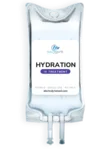
Hydration$279.99
Inside
IV fluids, Electrolytes
IV fluids and electrolytes, nothing added. We do not charge travel fees within our standard service area. The price you see for the IV is the price you pay.
Want vitamins and minerals on top? Our Electrolyte Cocktail drip is B-Complex, Vitamin B-12, Vitamin C, Magnesium, Zinc, Glutathione. In our own words: Our all-inclusive premium cocktail. For when you need it all.
When people book an electrolyte IV
It isn’t a substitute for regular medical care. But these are the times people most often book one.
When you can’t keep fluids down
Vomiting and diarrhea take fluid and electrolytes out fast, and make it hard to drink. An IV skips the digestive system. Our Stomach Flu drip is B-Complex, Vitamin B-12, Antacid, Anti-nausea.
After the heat, or a hard workout
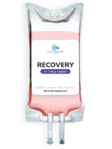
High temperatures and intense workouts can leave you short of the fluids and minerals you lose through sweat. Athletes book our Recovery drip after training: Magnesium, B-Complex, Vitamin C, Lipostat, Glutathione. More in IV therapy for heat exhaustion.
After a night out
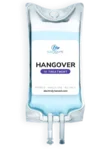
Alcohol dehydrates you and depletes electrolytes. Our Hangover drip adds vitamins and an anti-nausea medicine: B-Complex, Vitamin B-12, Vitamin C, Anti-nausea, Anti-inflammatory.
A cold or the flu
When you’re under the weather and not eating or drinking much, people book our Cold and Flu drip: B-Complex, Vitamin C, Zinc, Anti-inflammatory.
Jet lag
Long flights dehydrate you and throw off your body’s rhythm. Fluids may help you rehydrate after the trip.
Low-energy days
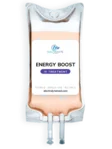
Tiredness can be linked to dehydration or low nutrients, and people book our Energy Boost drip (B-Complex, Vitamin B-12, Vitamin C) on the days they’re running on empty. If tiredness keeps coming back, though, see your doctor rather than relying on drips: it can have causes that need a diagnosis.
The risks, honestly
Given by qualified professionals, IV therapy is generally safe. Serious complications are rare, and most side effects are mild and short-lived. Here’s what to know.
At the IV site
Some discomfort, a small bruise or itching where the IV went in. These usually clear up in a day or two.
Infection
There’s a small risk whenever the skin is broken. Our registered nurses use sterile technique and sterile equipment.
Too much fluid
Fluid overload is a risk if too much fluid goes in too quickly, especially for people with certain health conditions. That’s why every visit starts with a consultation, and your nurse watches the drip throughout.
Heart and kidney conditions
Severe heart conditions and kidney disease need special care. If that’s you, talk to your doctor before booking. Our medical team also reviews your medical history before any treatment.
IV therapy is a medical procedure, and it needs trained oversight. For the fuller picture, read IV therapy: the pros and the cons, or how IV hydration works.
Questions people ask about electrolyte IVs
How long do the effects last?
It depends on how dehydrated you were to begin with, on your own metabolism, and on the drip you choose. Someone who started out very dehydrated may use up the fluids and minerals faster as their body rebalances. Between visits, drinking enough day to day matters most.
Who gives the IV?
A registered nurse, under the supervision of our medical director. Every IV therapy is designed by a physician. Before the nurse visit, you have a telemedicine consultation with one of our providers, to make sure IV therapy is right for you.
What’s the difference between the Hydration and the Electrolyte Cocktail drips?
Our Hydration drip ($279.99) is IV fluids, Electrolytes. Our Electrolyte Cocktail ($399.99) adds vitamins and minerals: B-Complex, Vitamin B-12, Vitamin C, Magnesium, Zinc, Glutathione. Not sure which is right? Ask in your consultation.
Brought to your door
No waiting rooms and no rushing to appointments. A registered nurse brings your electrolyte IV to your home, office, hotel, studio, gym or event, across Greater Los Angeles, Palm Springs and the Coachella Valley, and Orange County.
General information, not medical advice. Talk to your doctor about your own health, especially before IV therapy if you have a heart or kidney condition.