IV Therapy for Dehydration
When your body loses more fluids than you take in, the consequences can range from mild discomfort to life-threatening emergencies. IV therapy for dehydration delivers fluids and electrolytes directly into the bloodstream, providing faster relief than drinking water alone—especially when you’re dealing with moderate to severe dehydration that won’t respond to oral fluids.
This treatment method bypasses the digestive system entirely, making it invaluable for patients who are vomiting, too weak to drink, or need rapid stabilization. Whether you’re a parent caring for a sick child, an older adult managing chronic conditions, or someone recovering from heat exhaustion, understanding how IV hydration therapy works can help you make informed decisions about your care.
Key Takeaways
- IV therapy for dehydration infuses sterile fluids, electrolytes, and sometimes vitamins directly into a vein, offering faster absorption than drinking fluids when oral rehydration isn’t enough.
- Common IV fluids include normal saline (0.9% sodium chloride) and Lactated Ringer’s solution, with the specific choice depending on lab values, age, kidney function, and underlying illness.
- IV hydration is typically used for dehydration caused by vomiting, diarrhea, fever, heat illness, surgery, food poisoning, and certain chronic conditions when patients cannot tolerate oral fluids.
- Severe dehydration symptoms—confusion, very low urine output, rapid heart rate, and low blood pressure—constitute a medical emergency requiring prompt care from healthcare providers.
- While IV therapy is highly effective for acute dehydration, it should not replace daily healthy fluid intake; most mild dehydration can still be treated by drinking water and oral rehydration solutions.
What Is IV Therapy for Dehydration?
IV therapy for dehydration is the medical infusion of sterile fluid—containing electrolytes and sometimes essential nutrients—directly into a vein through a small iv catheter. Think of it as a direct pipeline to your bloodstream, allowing your body to absorb fluids immediately rather than waiting for the gastrointestinal tract to process them.
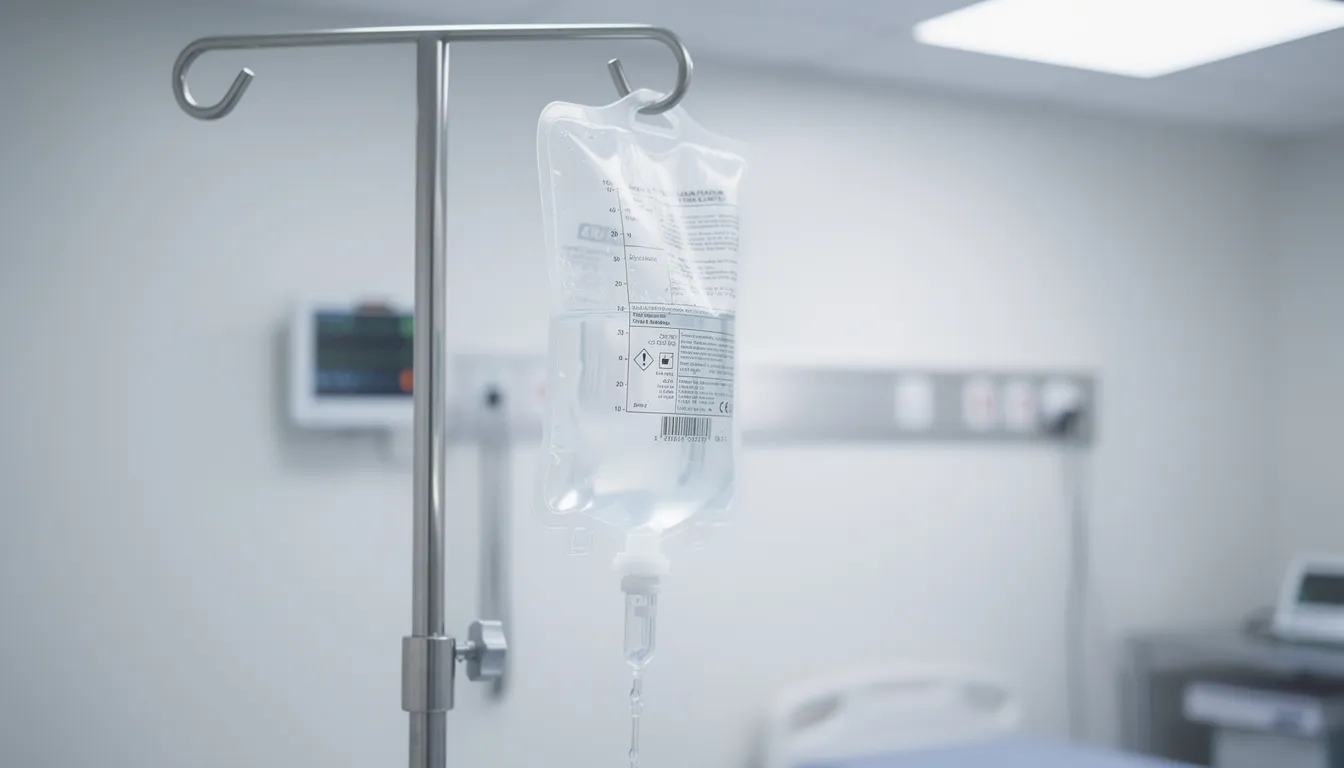
During the procedure, an IV line connects to a fluid bag hung on a pole or controlled by an infusion pump. The iv drip delivers a precisely measured volume into your bloodstream over 30 to 120 minutes, depending on how much fluid you need and your overall condition. Medical professionals can adjust the rate in real-time based on how your body responds.
This approach is particularly useful when patients cannot keep oral fluids down due to persistent vomiting, are too weak to drink, or need rapid stabilization. The digestive system can only absorb fluids so quickly—IV therapy removes that bottleneck entirely.
IV hydration is standard care in emergency room settings, hospitals, urgent care clinics, and even some outpatient or home-care environments when dehydration is significant. The treatment is usually temporary, designed to restore balance while other treatments address the underlying causes like infections, heat exposure, or post-surgical recovery.
Types of IV Fluids Used for Dehydration
IV fluids for dehydration fall into two broad categories: crystalloids and colloids. For routine rehydration, crystalloids are the standard choice in nearly all clinical situations.
Crystalloid Solutions
Crystalloids are solutions of water and small dissolved molecules—primarily electrolytes like sodium and chloride—that move easily between blood vessels and tissues. This property makes them excellent for restoring both circulating blood volume and tissue hydration simultaneously.
Normal Saline (0.9% Sodium Chloride)
Normal saline remains the most commonly used iv infusion fluid for adult and pediatric dehydration in 2024. This saline solution matches the saltiness of blood plasma, making it well-suited for many causes including:
- Gastroenteritis (stomach flu)
- Heat exhaustion
- Post-surgical fluid losses
- Sepsis-related dehydration
- Bleeding-related volume loss
Lactated Ringer’s Solution
Lactated Ringer’s contains sodium, chloride, potassium, calcium, and lactate (which acts as a buffer). Many medical professionals prefer it in surgical and trauma settings because it more closely resembles blood plasma composition. The lactate component helps correct metabolic acidosis—a common complication of serious dehydration from prolonged diarrhea.
Dextrose-Containing Solutions
Solutions like D5W (5% dextrose in water) and D5NS provide mild caloric support and help prevent low blood sugar. However, these aren’t used as stand-alone resuscitation fluids for dehydration—they’re typically added when patients need glucose support alongside rehydration.
Colloid Solutions
Colloids contain larger molecules (like albumin) that stay within blood vessels longer than crystalloids. These are generally reserved for special situations—severe low blood protein levels or certain shock states—rather than routine dehydration treatment.
| Fluid Type | Primary Usea | Key Components |
|---|---|---|
| Normal Saline | General rehydration | 0.9% sodium chloride |
| Lactated Ringer’s | Surgical/trauma cases | Sodium, chloride, potassium, calcium, lactate |
| D5W | Glucose support | 5% dextrose in water |
| Albumin (colloid) | Severe protein loss | Human albumin protein |
The choice of fluid depends on several factors: patient age, kidney function, blood pressure readings, electrolyte levels (sodium, potassium), and the specific cause of dehydration.
How IV Rehydration Works (Step-by-Step)
IV rehydration follows a structured process designed to safely correct fluid and electrolyte losses while minimizing complications. Here’s what typically happens:
Initial Assessment
Before starting intravenous fluids, healthcare providers gather critical information:
- Vital signs: Heart rate, blood pressure, body temperature, and oxygen saturation
- Physical examination: Looking for dry mouth, sunken eyes, reduced skin elasticity, dark urine, and confusion
- Medical history: Current medications, allergies, kidney or heart conditions
- Urine output history: How much and how often over the past 12-24 hours
In many cases, clinicians order basic blood tests—electrolytes, kidney function markers, glucose—and sometimes urinalysis to guide fluid type and infusion rate.
IV Placement
A nurse or paramedic performs the following steps:
- Cleans the skin (usually on the forearm or back of hand) with antiseptic
- Inserts a small catheter into a vein using a needle
- Removes the needle, leaving only the flexible thin tube catheter in place
- Secures the catheter with sterile tape or transparent dressing
Most patients describe feeling a brief pinch or sting during insertion.
Fluid Administration
The fluid bag (typically 500-1000 mL of normal saline or Lactated Ringer’s) connects via IV tubing. A roller clamp or electronic infusion pump controls the drip rate precisely.
Typical infusion times vary by severity:
- Mild to moderate dehydration: 30-90 minutes
- Severe cases: Multiple liters over several hours with close monitoring
Ongoing Monitoring
During the iv hydration session, staff regularly reassess:
- Blood pressure and heart rate
- Breathing rate and lung sounds
- Mental status and alertness
- Urine output (watching for improvement)
- Signs of fluid overload (swelling, shortness of breath)
Once hydration stabilizes and dehydration symptoms improve, patients typically transition back to oral fluids as tolerated.

Causes and Symptoms of Dehydration
Dehydration occurs when fluid loss exceeds intake, disturbing normal functions like temperature control, circulation, and kidney filtration. Understanding the causes helps you recognize when iv rehydration might become necessary.
Common Acute Causes
Several situations can rapidly deplete your body’s fluid levels:
- Viral or bacterial gastroenteritis: Vomiting and diarrhea cause rapid fluid and electrolyte losses
- Influenza with high fever: Elevated body temperature increases insensible water loss
- Food poisoning: Severe gastrointestinal symptoms prevent fluid retention
- Excessive sweating: Heat waves or strenuous exercise without adequate fluid replacement
- Post-surgical fluid losses: Blood loss and restricted oral intake after procedures
Chronic or Recurrent Contributors
Some people face ongoing dehydration risk due to:
- Poorly controlled diabetes (frequent urination)
- Diuretic medications that increase urinary output
- Chronic kidney disease affecting fluid management
- Persistent vomiting from pregnancy (hyperemesis) or chemotherapy
- Difficulty accessing fluids (frail older adults with mobility issues)
- Urinary tract infections affecting fluid balance
Recognizing Dehydration Symptoms
Mild to Moderate Signs:
- Thirst and dry mouth
- Decreased tear production
- Dark yellow urine with reduced volume
- Headache and dizziness on standing
- Muscle cramps
- Unusual fatigue and low energy levels
Signs of Serious Dehydration (May Require IV Therapy):
- Very low or no urine output for 6-8 hours
- Rapid heart rate with low blood pressure
- Sunken eyes and extremely dry skin
- Cold or mottled extremities
- Confusion, lethargy, or disorientation
- Inability to keep any fluids down for several hours
Red Flags in Children
Infants and small children show dehydration differently. Watch for:
- Markedly fewer wet diapers than usual
- Sunken soft spot (fontanelle) on the head
- No tears when crying
- Rapid breathing
- Extreme sleepiness or irritability
Anyone showing severe signs should be evaluated urgently in an emergency room rather than relying on home remedies. Dehydration caused by ongoing losses can quickly escalate to serious consequences.
Who Can Benefit Most from IV Therapy for Dehydration?
While most mild dehydration responds well to drinking fluids and oral rehydration solutions, certain groups benefit significantly from timely iv hydration therapy.
Children Under Five
Young children with gastroenteritis who cannot tolerate oral fluids often need iv treatments. Red flags prompting IV therapy include:
- Persistent vomiting that prevents keeping fluids down
- High fever accelerating fluid losses
- Lethargy or unusual drowsiness
- Refusing to drink despite encouragement
Pediatric urgent care and hospital settings regularly use IV hydration for these cases.
Older Adults (Over 65)
Older adults face higher dehydration risk due to:
- Reduced thirst sensation that develops with age
- Chronic diseases affecting fluid balance
- Medications (especially diuretics) increasing fluid loss
- Cognitive changes making them forget to drink
When oral intake proves inadequate or dehydration worsens existing conditions like heart failure or kidney disease, IV fluids often become necessary.
Patients with Acute Illnesses
Several conditions commonly require iv rehydration therapy as supportive care:
- Severe flu or pneumonia with high fever
- Sepsis (blood infection) causing systemic inflammation
- Post-surgical states where nausea or pain limits oral intake
- Severe allergic reactions affecting multiple body systems
Athletes and Outdoor Workers
Heat exhaustion or heat stroke after exertion in hot weather may require IV fluids, particularly when patients present with:
- Collapse or inability to stand
- Confusion or altered mental status
- Persistent vomiting after heat exposure
- Failure to respond to rest and oral hydration
Chronically Ill Populations
Ongoing conditions may necessitate periodic IV hydration:
- Cancer patients experiencing chemotherapy-induced nausea
- Inflammatory bowel disease flares with severe diarrhea
- Patients on medications causing frequent urination or other symptoms
- Those with malabsorption conditions where the digestive system cannot properly absorb nutrients
A Note on “Wellness” IV Drips
Individuals seeking IV treatments for mild fatigue, jet lag, or hangovers should first be screened for underlying health needs. While some providers offer IV infusions containing vitamins, vitamin C, and other essential nutrients for recovery purposes, serious dehydration symptoms always require proper medical evaluation rather than purely elective treatments.

Benefits and Risks of IV Hydration Therapy
IV hydration is a powerful clinical tool with clear benefits of iv therapy in appropriate situations—but it also carries risks requiring professional oversight.
Key Benefits
Rapid Restoration of Fluid Levels
IV fluids provide 100% bioavailability since they enter the bloodstream directly. Unlike drinking water, which requires the gastrointestinal tract to absorb more fluids gradually, IV delivery works within minutes. This speed proves critical for patients with low blood pressure, shock, or severe dehydration.
Reliable Electrolyte Delivery
IV solutions can be tailored to correct specific imbalances. Patients losing sodium through diarrhea receive solutions designed to restore those losses precisely.
Treatment When Oral Intake Fails
Patients who are vomiting, unconscious, or have gastrointestinal obstruction cannot benefit from drinking plenty of water. IV therapy bypasses this limitation entirely.
Prevention of Serious Complications
Untreated dehydration can lead to:
- Acute kidney injury
- Seizures from electrolyte imbalances
- Hypovolemic shock
- Organ damage from inadequate perfusion
Timely IV hydration therapy prevents these serious consequences.
Potential Risks
Local Side Effects at IV Site:
- Temporary pain or bruising during insertion
- Infiltration (fluid leaking into surrounding tissue)
- Phlebitis (vein inflammation) requiring line removal
- Rare infections at the insertion site
Systemic Risks:
| Risk | Who’s Affected | Prevention |
|---|---|---|
| Fluid overload | Heart failure, kidney disease patients | Careful volume monitoring |
| Electrolyte imbalances | All patients if wrong fluid chosen | Lab-guided fluid selection |
| Pulmonary edema | Those with compromised heart function | Slow infusion rates |
| Allergic reactions | Rare, sensitive individuals | Monitoring during infusion |
Healthcare providers reduce these risks by tailoring fluid volume and rate to body weight, age, and comorbidities. They monitor vital signs, lung sounds, and lab results throughout treatment.
The Bottom Line: Medical supervision is essential. Self-administered or unsupervised intravenous rehydration is unsafe and can lead to serious complications.
What to Expect Before, During, and After Your IV for Dehydration
IV hydration is a common, routine procedure performed thousands of times daily across healthcare settings. Here’s what the experience typically involves:
Before Your IV Hydration Session
Intake and Assessment:
- Medical history review covering current medications, allergies, and any heart or kidney conditions
- Vital sign measurements (blood pressure, heart rate, temperature)
- Possible blood work to check electrolyte and fluid levels
- Signed consent form explaining which fluid will be used and why
Practical Preparation Tips:
- Wear loose, comfortable clothing with sleeves that roll up easily
- Bring a list of all medications you take
- Arrange transportation if you’re feeling lightheaded or may receive sedating medications
- Eat something light beforehand if you’re able (unless instructed otherwise)
During the IV Hydration Therapy Session
The environment varies—it might be a clinic room, emergency department bay, hospital room, or supervised home visit. Once you’re settled:
- The healthcare provider identifies a suitable vein (usually forearm or hand)
- You’ll feel a brief pinch or sting as the iv catheter is inserted
- The catheter is secured with tape or transparent dressing
- The IV tubing connects to the fluid bag
Most people can sit or lie comfortably, read, use their phone, or rest while fluids are infused. Staff periodically check your blood pressure, pulse, and comfort level.
Typical Duration:
- Standard outpatient infusions: 30-90 minutes
- More severe cases: 2-4 hours or longer
- Multiple bags may be needed for serious dehydration
After Your Treatment
When the infusion completes:
- The iv catheter is gently removed
- A small bandage covers the insertion site
- You’re observed briefly to ensure stability before discharge
Post-Treatment Guidance:
- Continue drinking water and oral rehydration solutions
- Slowly advance your diet as nausea improves
- Stay hydrated by monitoring urine color (pale yellow indicates adequate hydration)
- Watch for recurring symptoms: dizziness, decreased urine output, worsening fatigue, dry skin, or other signs of fluid depletion
- Contact your healthcare provider if dehydrated symptoms return
Follow-Up Care and Preventing Future Dehydration
IV therapy addresses the immediate fluid deficit, but long-term health depends on identifying and managing the underlying cause of dehydration.
Typical Follow-Up Care
After iv treatments for dehydration, expect:
- Scheduled check-in with your primary care physician or specialist
- Review of any test results (electrolytes, kidney function)
- Medication adjustments if current prescriptions contribute to fluid loss
- Discussion of any chronic conditions requiring ongoing fluid management
Daily Prevention Strategies
Consistent Fluid Intake:
Most healthy adults should aim for approximately 2-3 liters of fluids daily, though individual health needs vary. Increase intake during:
- Hot weather or high humidity
- Illness with fever, vomiting, or diarrhea
- Strenuous exercise or physical labor
Early Warning Recognition:
Learn to spot dehydration before it becomes severe:
- Dark urine or reduced urination frequency
- Increasing fatigue without clear cause
- Dry mouth that persists despite drinking
- Lightheadedness when standing
Proactive Intervention:
When experiencing mild diarrhea or vomiting, don’t wait for symptoms to worsen:
- Start oral rehydration solutions immediately
- Take small, frequent sips rather than large gulps
- Avoid caffeine and alcohol, which increase fluid loss
Special Considerations
Certain groups need individualized hydration plans developed with their healthcare providers:
| Group | Consideration |
|---|---|
| Heart failure patients | Balance fluid restriction with avoiding dehydration |
| Kidney disease patients | Monitor intake carefully with provider guidance |
| Older adults | May need reminders and easier access to fluids |
| Children | Require age-appropriate fluid recommendations |
Tracking and Seeking Help
Consider keeping a simple log of daily fluid intake, especially if you’re an older adult or caring for children prone to dehydration. Seek medical advice if:
- You require frequent IV hydration over weeks or months
- Oral fluids consistently fail to relieve symptoms
- Underlying conditions seem to be worsening
Timely medical attention for infections, heat illnesses, and chronic conditions significantly reduces the likelihood of recurrent severe dehydration requiring emergency intervention.

Frequently Asked Questions About IV Therapy for Dehydration
How quickly will I feel better after IV fluids for dehydration?
Many patients notice improvement in symptoms like dizziness, headache, and dry mouth within 30-60 minutes of starting an iv infusion. However, full recovery can take several hours to a full day depending on how dehydrated you were initially.
Keep in mind that underlying illnesses (stomach viruses, flu, food poisoning) may still cause fatigue or nausea even after hydration improves. Rest remains important during recovery. Clinicians typically reassess after the first bag of fluids to determine whether more fluids or other treatments are needed.
How long do the effects of an IV hydration treatment last?
The immediate benefits—improved blood pressure, better urine output, reduced dizziness—are typically evident on the same day. How long these effects last depends largely on whether fluid losses continue (ongoing diarrhea, fever, or vomiting).
In otherwise healthy individuals, a single properly dosed IV treatment can correct an acute episode, provided you keep up with enough water and oral fluids afterward. Repeated need for IV hydration over days or weeks usually signals an unresolved medical issue that requires further evaluation.
Is IV therapy for dehydration safe during pregnancy?
IV hydration is commonly and safely used during pregnancy for conditions like hyperemesis gravidarum (severe nausea and vomiting). However, it must be ordered and monitored by obstetric or medical professionals.
Fluid type and rate are carefully chosen to avoid electrolyte imbalances and protect both the pregnant person and fetus. Pregnant individuals should seek medical care promptly if they cannot keep fluids down for more than 24 hours or show signs of moderate dehydration.
Can IV therapy replace drinking water in my daily routine?
No—IV hydration is not a replacement for normal drinking habits and should never be used routinely in place of daily water intake. For most healthy people, drinking water and eating a balanced diet with adequate electrolytes are sufficient to maintain proper hydration.
Elective, frequent IV drips without medical indication may expose people to unnecessary risks like vein irritation or infections without proven long-term benefit. The benefits of iv therapy are clearest when treating actual dehydration, not as a lifestyle choice.
When should I go to the emergency room instead of scheduling an outpatient IV?
Seek emergency evaluation immediately if you experience:
- Confusion or altered mental status
- Chest pain or difficulty breathing
- Fainting or near-fainting episodes
- No urine output for 8-12 hours
- Signs of shock (very low blood pressure, rapid weak pulse)
- Dehydration in very young infants
Anyone with suspected heat stroke (high body temperature, confusion, hot dry skin), severe abdominal pain, or possible sepsis should call emergency services or go to the nearest emergency department rather than waiting for a routine appointment. When in doubt, it’s safer to seek urgent care and let medical professionals determine the appropriate level of treatment.