






How IV hydration works: what happens in your veins
A clear walk through what fluids and electrolytes do once they’re in: how the IV is placed, where the fluid goes, what’s in the bag, and the honest part about when water is enough.
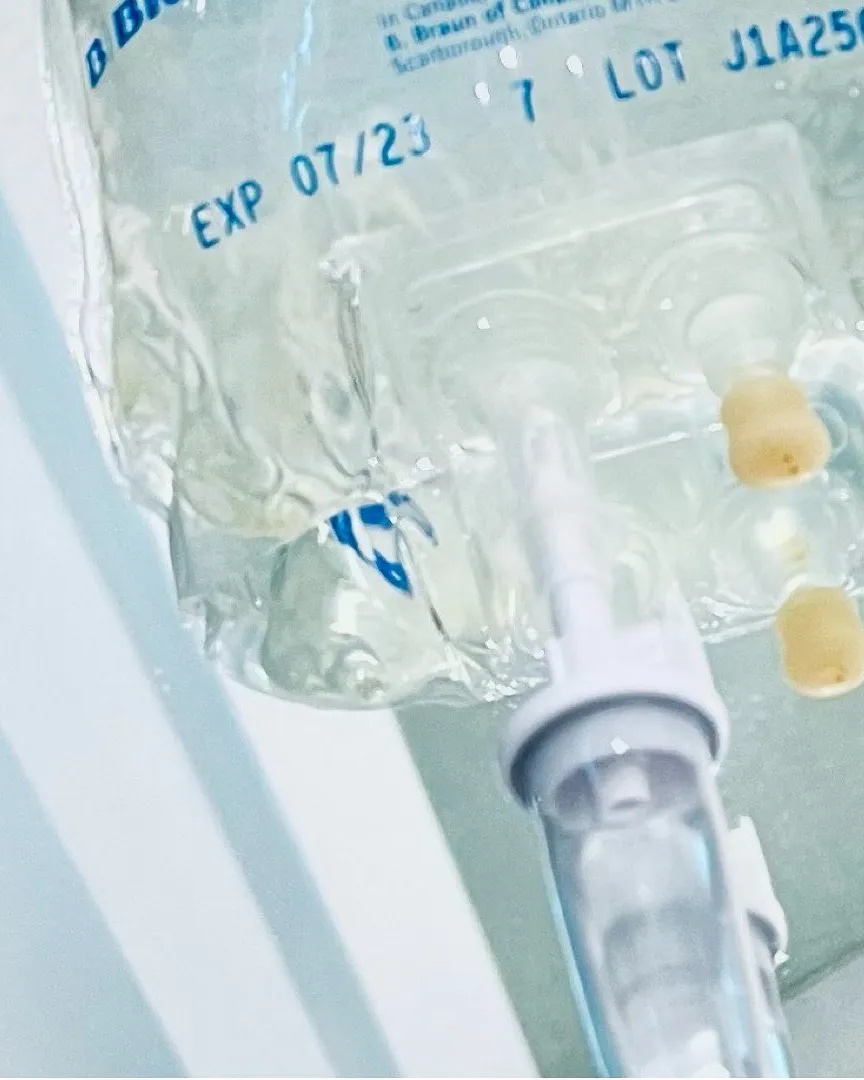
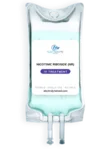
IV hydration puts sterile fluids, often with electrolytes, vitamins or medicines added, straight into a vein. It skips the digestive system entirely.
Before you book one, it helps to know what actually happens: how the IV goes in, where the fluid goes, what’s in the bag, and when drinking water is all you need. Here’s the honest version.
In short: in hospitals, IV fluids are a standard way to rehydrate people after illness, surgery or heat. The wellness benefits of drips are less studied and vary from person to person. Safety depends on a trained nurse, sterile equipment and a proper medical check first. And for mild dehydration, drinking fluids is enough, and far cheaper.
What is IV hydration?
IV stands for intravenous, “into the vein.” A thin, soft tube (a catheter) goes into a vein and connects to a bag of fluid that slowly drips in.
Hospitals, emergency rooms and urgent care centers use IV fluids every day, for people who are dehydrated after vomiting, diarrhea, heat or surgery. In wellness settings, people book IV hydration after hard exercise, a long flight or a night out, often with vitamins and minerals added to the fluids.
The setup is simple: a clear bag hung on a stand, tubing running down to the small catheter in your hand or forearm. Gravity, or a pump, moves the fluid from the bag into your circulation. It can be given all at once (a bolus) or as a slower drip. We explain the difference in IV infusion vs. IV bolus.
How IV hydration works in your body
Placing the IV
Your nurse finds a suitable vein, usually in your forearm or the back of your hand, and cleans the skin with antiseptic. A small needle guides a soft plastic catheter into the vein, then the needle comes out, leaving only the flexible tube. It’s taped in place and connected to the line from the bag.
From the bag to your bloodstream
Water you drink has to pass through your stomach and intestines before it reaches your circulation. IV fluid skips all of that: it mixes straight into the blood flowing through your vein.
Around your body
Your heart pumps the extra fluid around your body. Water and electrolytes such as sodium, potassium and magnesium move out of the smallest blood vessels into the tissues that need them, which is how fluid gets back to where you were running low.
What happens to the extra fluid
Your kidneys filter out what your body doesn’t need. Most people need to pee more for a few hours afterwards. That’s normal: your body is simply getting rid of what it doesn’t keep.
IV hydration vs. drinking fluids
Both get water and electrolytes into your system. They differ in speed, in precision and in when each one makes sense.
Drinking (water, rehydration salts, sports drinks) depends entirely on your gut. If you’re nauseous, vomiting or have a stomach bug, it can be hard to keep anything down. Even in a healthy gut, fluid takes time to leave your stomach and be absorbed.
An IV skips those limits, and the fluid, its amount and anything added to it can be chosen exactly.
For most mild dehydration (a hot day, a moderate workout, a few skipped glasses of water), drinking fluids works fine. It’s safer, far cheaper and doesn’t need a needle in your arm. IV hydration makes the most sense when someone can’t keep fluids down, when they’ve already lost a lot of fluid, or when drinking isn’t possible. More in IV hydration vs. drinking water.
What’s in the bag
Not every IV bag holds the same thing. Hospitals choose the fluid to match the patient; wellness drips add vitamins and minerals to a base fluid.
The base fluid
Normal saline (0.9%) is sterile salt water, the standard fluid for rehydration. Lactated Ringer’s also has potassium, calcium and lactate, and is often used in surgery. Dextrose solutions add sugar, for when blood sugar needs support too.
Electrolytes
Magnesium, potassium and phosphate can be added. These need medical supervision: electrolytes affect your heart rhythm and nerves, so the amounts matter.
Vitamins
Wellness drips often add vitamin C, B-complex vitamins, vitamin B-12 or glutathione. The best known blend is the Myers’ Cocktail; ours is B-Complex vitamins, Vitamin C, Vitamin B-12, Magnesium.
The honest part: an IV puts vitamins straight into your blood, but your body doesn’t store the extra water-soluble vitamins; your kidneys clear them. The research on vitamin drips for healthy adults is limited. A good diet comes first, and IV vitamins aren’t a replacement for it.
Medicines
Some drips include a medicine given through the line, such as an anti-nausea medicine or an anti-inflammatory. That always needs medical oversight. Here’s our simplest drip, for comparison:
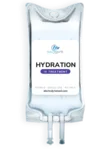
Hydration$279.99
Inside
IV fluids, Electrolytes
IV fluids and electrolytes, nothing added. We do not charge travel fees within our standard service area. The price you see for the IV is the price you pay.
What to expect during a session
Before the IV
It starts with a health review: your medical history, the medicines you take, any allergies, and why you want IV hydration today. With us, that’s a short consultation first. A telemedicine consultation with one of our providers, to make sure mobile IV treatment is right for you and to answer any questions you have. Our medical team reviews your medical history before any treatment.
Placing the IV
Your nurse picks a vein, cleans the skin, places the catheter, tapes it down and connects the tubing. A little saline is often run through first to keep the line open.
During the drip
Most people feel a quick pinch as it goes in, much like a blood draw. Once the fluid flows, you may feel coolness going up your arm, a slight heaviness, or just relaxed. Real pain isn’t normal: tell your nurse straight away.
How long it takes
With us, treatment takes 30 to 45 minutes. You can read, use your phone or simply rest.
When it’s done
The catheter comes out, your nurse presses on the spot, and a small bandage goes on. How you feel afterwards depends a lot on how dehydrated you were to begin with.
Who it’s for, and who should be careful
When it’s medically needed
In hospitals, IV fluids are used for severe dehydration from vomiting, diarrhea or not being able to drink; for heat illness; after surgery; and for illnesses that upset the body’s fluid balance. That kind of care belongs with your doctor or the hospital.
Wellness use
People also book IV hydration after a big athletic event, after travel, or after a night of heavy drinking. The evidence here is more mixed: a hangover is more than dehydration, and for a mild case, drinking fluids does the job.
Who needs a careful medical check first
Extra fluid isn’t right for everyone. People with heart failure or uncontrolled high blood pressure, kidney disease, adrenal or other hormone conditions that affect fluid balance, severe allergies, clotting disorders or veins that are hard to find need a careful medical review first. So do people who are pregnant, older adults with several health conditions, and anyone taking several medicines. If that’s you, talk to your doctor before booking.
Safety, risks and side effects
Given by a trained nurse with sterile equipment, IV hydration is a common procedure. But anything that breaks the skin carries some risk, and it helps to know the signs.
Minor and common
A brief sting as it goes in, a small bruise, mild swelling or tenderness at the site. These usually clear within a few days.
Vein irritation and leaks
Sometimes the vein gets irritated (redness along the vein, warmth, tenderness), or fluid leaks into the tissue around it (swelling, a cool, puffy spot). Your nurse stops the drip and takes the IV out; most cases settle without lasting problems.
Rare but serious
Infection at the site or in the blood, an allergic reaction, a clot in the vein, or air in the line. Sterile single-use equipment, a medical history check and good technique are what keep these rare. Too much fluid too fast, or the wrong electrolyte mix, can also cause problems, especially for someone with heart failure.
When to get help
After an IV, contact a doctor or go to emergency care if you have spreading redness from the site, a fever, trouble breathing, chest pain, severe swelling, or dizziness or confusion that doesn’t go away.
How often can you have IV hydration?
How often should match the need, not a schedule someone sells you. Most people book it now and then: after an illness, a long trip, a big athletic event or a rough night out.
If you’re thinking about weekly or several-times-a-month drips, do it with medical supervision, including checks of your kidneys and electrolytes. And if you feel you need IV fluids often just to function, that’s a reason to see your doctor: it can point to something that needs a diagnosis.
Between visits, the basics still matter most: drink water through the day, eat a balanced diet and get enough sleep.
Questions people ask
How long does the feeling last?
It depends on how dehydrated you were to begin with. Your kidneys quickly bring your fluid balance back to normal, so the lasting part comes from drinking enough day to day. If you keep feeling tired despite IVs, see your doctor rather than booking more.
Do I need lab tests first?
For a one-off drip in a healthy adult, usually not, but your history, your medicines and your vital signs should still be checked. Labs matter more for people with kidney or heart problems, anyone planning regular drips, and anyone having added electrolytes or high-dose vitamins.
Can I drive or go back to work afterwards?
Most people can, if they feel steady and alert. You may need the bathroom more, or feel a little lightheaded standing up. For your first time, leave a little room in your schedule afterwards. And since we come to you, there’s nowhere to drive home from.
General information, not medical advice. Talk to your doctor about your own health, especially before IV therapy if you have a heart, kidney or other health condition, or are pregnant.