

IV hydration vs. drinking water
How the two compare: how each one gets fluid into your body, what an IV adds that a glass of water can’t, and when each one makes sense.
Feeling sluggish, dizzy or drained? Dehydration could be the reason, and how you rehydrate makes a bigger difference than most people realize.
You’ve been told your whole life to drink more water. And yes, staying hydrated is one of the most important things you can do for your health. But when dehydration hits hard, after a rough night out, a hard workout or a nasty bout of the flu, is sipping water really enough?
That’s where IV hydration comes in. Here’s how each one works, what an IV adds, and when each one makes sense.
Why hydration matters
Every system in your body depends on water. It helps regulate your temperature, cushions your joints, supports digestion and helps your cells do their work.
When you’re dehydrated, even slightly, you may notice:
Tiredness and brain fog. Headaches and dizziness. Dry skin and muscle cramps. Nausea. A workout that feels harder than it should.
Mild dehydration is common and easy to overlook. When it becomes more than mild, a glass of water may not be enough to bounce back quickly. Read more about the signs of dehydration.
How drinking water rehydrates you
It goes through your gut first
When you drink water, it doesn’t go straight to your cells. It travels through your digestive system first, from your stomach into your small intestine, where it’s absorbed into your bloodstream little by little.
That takes time, and how long depends on things like how much you’ve eaten and how dehydrated you already are.
When water is enough
For everyday hydration, water works great. If you’re a little low after a warm day, or simply haven’t had enough to drink, drinking water steadily will do the job.
The catch: plain water doesn’t contain electrolytes, the minerals like sodium, potassium and magnesium that your body loses through sweat, illness and exercise. Without replacing those, water alone may fall short.
Sports drinks add electrolytes, but many are loaded with sugar and ingredients your body doesn’t need.
How IV hydration works
Straight into your bloodstream
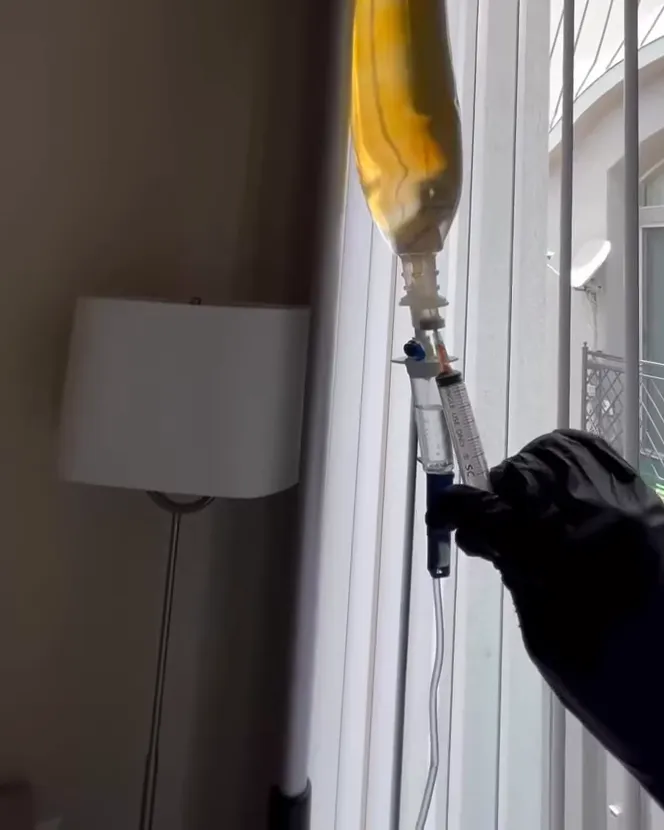
An IV gives you fluids, electrolytes and vitamins through a small line in your arm, straight into a vein. It skips your digestive system entirely.
It’s the same way fluids are given in hospitals. With mobile IV therapy, it comes to your home instead.
What’s inside an IV hydration drip
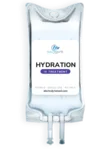
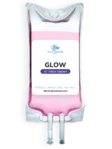
A hydration drip starts with a bag of saline, a salt-water solution close to your body’s own fluid balance. Our Hydration drip is the simple one:
Hydration$279.99
Inside
IV fluids, Electrolytes
Given in a bag of IV fluids, for the rehydration. We do not charge travel fees within our standard service area. The price you see for the IV is the price you pay.
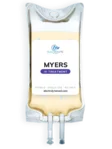
Other drips add vitamins on top of the fluids. Our Myers drip, for example, is B-Complex vitamins, Vitamin C, Vitamin B-12, Magnesium, at $329.99. Every IV therapy is designed by a physician.
When people book IV hydration
IV hydration isn’t only for when you’re sick. People book it when:
The morning after a night out. To rehydrate when the headache, nausea and tiredness set in. More in our hangover guide.
After a hard workout. To replace the fluids and electrolytes lost in training.
A cold or the flu. When it’s hard to keep fluids down.
Jet lag and travel. To reset after a long flight.
Low-energy weeks. For a vitamin and hydration boost when you’re running on empty.
Before a big day. To start a game, a wedding or an important event well hydrated.
IV hydration vs. drinking water, side by side
How it gets in. Water goes through your stomach and intestine. An IV goes straight into a vein.
Electrolytes. Plain water has very little. An IV hydration drip is made with them.
Vitamins. Water has none. A vitamin drip adds them, chosen for what you need.
Who gives it. Water, you pour yourself. An IV is given by a registered nurse.
What it’s for. Water is for every day. An IV is for when you’re run down and want to rehydrate in one visit.
Can you do both? Yes
IV hydration and drinking water aren’t competing options. They work best together.
Think of an IV as a reset when your fluids and nutrients are low. Drinking water steadily then keeps you hydrated between visits, which makes the two a good pair for athletes, frequent travellers and anyone who takes their wellness seriously.
Is IV hydration safe?
Yes. Each and every one of our IV therapies is designed by a physician and given by a trained registered nurse with ER or ICU experience. Our medical team reviews your medical history before any treatment.
What to expect during a visit
Treatment takes 30 to 45 minutes. Your nurse places a small IV in your arm, and the drip runs at a controlled rate while you relax. Each person is different. While you receive your treatment you stay seated, and our nurse takes care of the rest.
- Book online or by phone. Every day, 8 AM to 8 PM.
- A short consultation. A telemedicine consultation with one of our providers, to make sure mobile IV treatment is right for you and to answer any questions you have.
- Your nurse comes to you. Generally, we can have a nurse come to you within 2 hours of your booking time within our coverage areas.
- Relax while your drip runs. Treatment takes 30 to 45 minutes, and your nurse stays with you.
- Carry on with your day. No clinic, no drive home.
Choosing an IV therapy service
Not all IV hydration services are the same. Look for one staffed by registered nurses who follow proper safety steps. At Electrolyte Med: Registered nurses with 10+ years of ER and ICU experience. Safety and cleanliness is our #1 priority for all of our clients.
Mobile IV hydration across Southern California
Wherever you are in Greater Los Angeles, Palm Springs and the Coachella Valley, and Orange County, we bring IV hydration to you. No waiting rooms, no clinic visit.
Greater Los Angeles
Santa Monica, Venice and Marina del Rey. Beverly Hills, West Hollywood, Hollywood and Downtown Los Angeles. Glendale, Burbank, Sherman Oaks and Pasadena. Long Beach and Torrance.
Palm Springs & the Coachella Valley
Palm Springs, Palm Desert, Rancho Mirage, La Quinta, Indian Wells, Indio, Cathedral City, Coachella, Desert Hot Springs and Bermuda Dunes.
Orange County
Newport Beach, Laguna Beach, Irvine, Costa Mesa and the rest of the county.
Questions people ask
Is IV hydration better than drinking water?
It depends on what you need. Drinking water is what you want for everyday hydration. An IV suits the times you’re run down, unwell or low on electrolytes and want to rehydrate in one visit.
Does IV hydration include electrolytes?
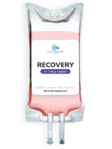
Yes. Our Hydration drip is IV fluids, Electrolytes. Other drips, like our Myers or Recovery, add vitamins and minerals.
How often can I have IV hydration?
That depends on your health and your goals. Some people book every month for general wellness, others when they need it. Ask your provider during your consultation.
General information, not medical advice. Talk to your doctor about your own health.