

Heat exhaustion in Southern California: what to know
The warning signs on a hot day, how IV fluids can help you rehydrate, the drips people book, and the signs of heat stroke that mean an emergency room instead.
Southern California’s summer heat is beautiful, until it leaves you dizzy, nauseous and weak.
Heat exhaustion is more common here than most people realize, especially in the peak summer months. Here are the warning signs, who is most at risk, how IV fluids are used to rehydrate, and the signs that mean you need an emergency room, not a visit at home.
What is heat exhaustion?
Heat exhaustion happens when your body loses too much fluid and too many electrolytes through sweat, and can’t cool itself properly. It’s more serious than simple dehydration, and different from heat stroke, though the line between them can blur quickly.
The signs
Dizziness and lightheadedness. Weakness and tiredness. Heavy sweating. Nausea and vomiting. A headache and muscle cramps.
In summer, temperatures here regularly pass 90°F, and in dry air sweat evaporates so fast you may not notice how much fluid you’re losing.
Who is most at risk
Outdoor workers, like construction crews, landscapers and farm workers. Athletes training in the heat. Older adults and young children. Anyone with an underlying health condition.
People taking medicines that affect sweating or fluid balance need extra care. And if you’re already dehydrated before you go out in the heat, your risk goes up.
Why fluids and electrolytes matter
By the time heat exhaustion sets in, your body has lost a lot of fluid and electrolytes such as sodium, potassium and magnesium. These minerals aren’t just water: your heart, your muscles and your nerves depend on them. When they drop too low, you can get severe weakness, muscle cramps, an irregular heartbeat and confusion.
Drinking water helps, but your gut needs time to absorb it, and if you’re nauseous, keeping fluids down can be hard. Plain water doesn’t replace the electrolytes, either.
An IV skips the digestive system: fluids and electrolytes go straight into your bloodstream. More on the difference in IV hydration vs. drinking water.
The drips people book after a hot day
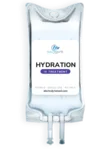
Hydration: the place to start
Hydration$279.99
Inside
IV fluids, Electrolytes
Given in a bag of IV fluids, for the rehydration. We do not charge travel fees within our standard service area. The price you see for the IV is the price you pay.
The simple one: fluids and electrolytes, nothing else. In our own words: Rehydrate and replenish with IV fluids and electrolytes.
People book it for dehydration from the heat, during heat waves and around long days outdoors.
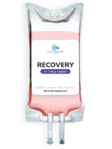
Recovery: for athletes and outdoor workers
When the heat comes with muscle fatigue, our Recovery drip adds vitamins and minerals: Magnesium, B-Complex, Vitamin C, Lipostat, Glutathione. In our own words: For muscle recovery and endurance, after training or a long week.
$349.99.
Myers: the whole-body option
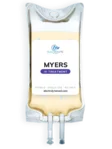
Our Myers drip is B-Complex vitamins, Vitamin C, Vitamin B-12, Magnesium. In our own words: Revitalize, rehydrate, renew and support whole body wellness.
$329.99.
Not sure which is right for you? Ask your nurse.
When to book, and when it’s an emergency
Mild to moderate signs
Dizziness that won’t go away, nausea that makes it hard to keep fluids down, or heavy sweating followed by sudden tiredness: get out of the heat, rest somewhere cool and start drinking. This is also when people book a visit, rather than trying home remedies for hours first.
Heat stroke is an emergency
Heat exhaustion can turn into heat stroke, which is life-threatening. Call emergency services or go to the nearest emergency room, not a home visit, if there is:
A temperature above 103°F. Confusion or disorientation. A severe headache or muscle cramps that won’t stop. A rapid or weak pulse.
When in doubt, get urgent care and let the doctors decide.
What happens at a visit
- Book online or by phone. Every day, 8 AM to 8 PM.
- A short consultation. A telemedicine consultation with one of our providers, to make sure mobile IV treatment is right for you and to answer any questions you have.
- Your nurse comes to you. Generally, we can have a nurse come to you within 2 hours of your booking time within our coverage areas.
- Relax while your drip runs. Treatment takes 30 to 45 minutes, and your nurse stays with you.
- Carry on with your day. No clinic, no drive home.
Your IV is usually placed in your arm, with sterile technique, and you recline while the fluids run. The main risks are minor bruising where the IV goes in and, rarely, an allergic reaction.
After your drip
Keep drinking water and electrolyte drinks. Rest somewhere cool for the rest of the day, and avoid strong heat or hard exercise for several hours while your body settles. Stay well hydrated for the next 24 hours.
Staying safe in the heat
Smart hydration
Drink water steadily through hot days, not just when you’re thirsty. Electrolyte drinks help on longer outdoor days. Limit caffeine and alcohol, which add to dehydration. Before a day in the sun, drink water the day before and in the hours before you go out.
Managing the heat
Avoid the peak sun hours between 10 AM and 4 PM. Wear light-coloured, loose clothing that lets sweat evaporate. Use sunscreen and protective gear. Take regular breaks in the shade or in air conditioning.
The warning signs to watch for
Heavy sweating, then dizziness or lightheadedness, nausea, weakness and muscle cramps. Act at the first signs rather than waiting for them to get worse.
Where we come to you
Electrolyte Med comes to your home, office, hotel, studio, gym or event, across Greater Los Angeles, Palm Springs and the Coachella Valley, and Orange County.
Greater Los Angeles
Santa Monica, Venice and Marina del Rey. Beverly Hills, West Hollywood, Hollywood and Downtown Los Angeles. Glendale, Burbank, Sherman Oaks and Pasadena. Long Beach and Torrance.
Palm Springs & the Coachella Valley
Palm Springs, Palm Desert, Rancho Mirage, La Quinta, Indian Wells, Indio, Cathedral City, Coachella, Desert Hot Springs and Bermuda Dunes.
Orange County
Newport Beach, Laguna Beach, Irvine, Costa Mesa and the rest of the county.
Questions people ask about IV therapy for heat exhaustion
Can I book a drip before a day outdoors?
Yes. Some athletes and outdoor workers book a Hydration drip ahead of a long, hot day. It’s an extra, not a substitute for water, shade and rest.
What should I do afterwards?
Keep drinking water and electrolyte drinks, rest somewhere cool and avoid strong heat or hard exercise for the rest of the day.
What’s the difference between the Hydration and the Recovery drip?
Our Hydration drip ($279.99) is the basic one: IV fluids, Electrolytes. Our Recovery drip ($349.99) adds vitamins and minerals, for muscle recovery and endurance: Magnesium, B-Complex, Vitamin C, Lipostat, Glutathione.
Don’t let the heat slow you down
Heat exhaustion is serious. Know the signs, get out of the heat and act early. And if you’d rather rehydrate at home, a registered nurse can come to you.
General information, not medical advice. If you think someone has heat stroke, call emergency services. Talk to your doctor about your own health.