How IV Hydration Works: A Clear Guide to What Happens in Your Veins
Key Takeaways
- IV hydration delivers sterile fluids—often enhanced with electrolytes, vitamins, or medications—directly into a vein for rapid rehydration that takes effect within minutes.
- This method bypasses the digestive system entirely, allowing the body to absorb fluids and nutrients at nearly 100% efficiency compared to the 20-50% absorption rate of oral intake.
- Medical IV hydration is proven effective for dehydration from illness, surgery, or heat exposure, while wellness “drip” benefits remain more variable and less rigorously studied.
- Safety depends on trained clinicians, sterile equipment, proper medical screening, and awareness of potential risks including infection, vein irritation, and fluid overload.
- For mild dehydration, drinking fluids remains sufficient, safer, and far more affordable than IV therapy.
What Is IV Hydration?
IV hydration is the process of delivering fluids directly into your bloodstream through a thin catheter inserted into a vein, connected to a drip bag that slowly releases its contents. The term “IV” stands for “intravenous,” literally meaning “into the vein,” and this route represents the fastest possible way to correct significant fluid loss in the body.
In hospitals, emergency departments, and urgent care facilities, medical professionals routinely use IV hydration to treat dehydration stemming from vomiting, diarrhea, heatstroke, or post-surgical recovery. This form of iv treatment has been a cornerstone of medicine for decades, evolving significantly since early experiments in the 17th century when pioneers like Christopher Wren attempted vein injections using quills and animal bladders.
In wellness settings, iv hydration therapy has become a popular wellness trend, especially among celebrities and influencers who seek quick recovery from intense exercise, jet lag relief, or hangover mitigation. These sessions often combine base fluids with vitamins and minerals, and sometimes include iv medication for rapid delivery of nutrients or symptom relief, marketed as a wellness boost for people who want faster results than drinking water alone.
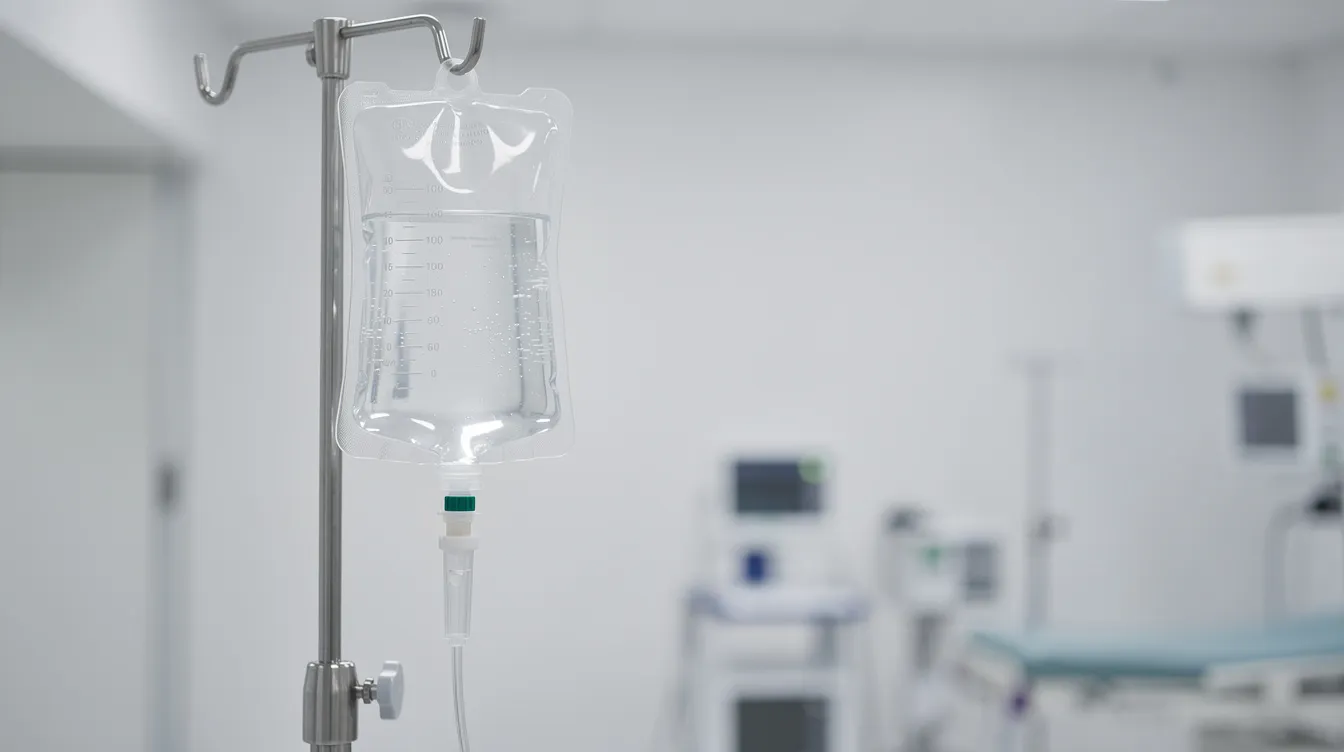
A typical setup looks straightforward: a clear fluid bag hung on an elevated stand, connected to flexible tubing that runs down to a small tube (catheter) placed in a hand or forearm vein. The whole system works on simple principles—gravity or a calibrated pump pulls the solution from the bag and into your circulation. IV therapy can be administered as a one-time bolus or as a slow, extended drip, depending on the patient's needs.
How IV Hydration Actually Works in Your Body
Understanding how iv drips work requires following the pathway from bag to bloodstream to individual cells. This section breaks down each step of that journey.
The Insertion Process
https://electrolytemed.com/iv-cocktails/
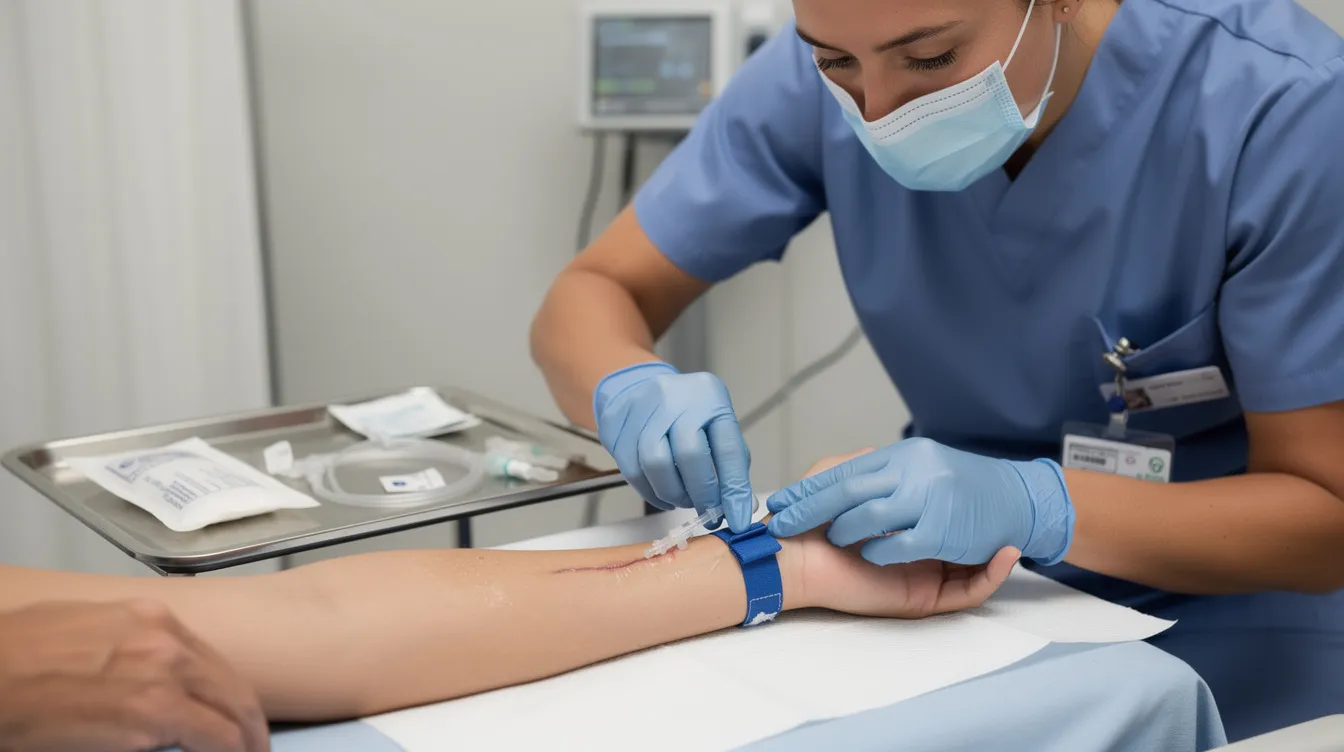
A clinician identifies a suitable peripheral vein, typically in the forearm or back of the hand. After cleaning the site with antiseptic, they insert a small needle attached to a soft plastic catheter. Once the catheter is in place, the needle is withdrawn, leaving only the flexible small tube inside the vein. This gets secured with tape and connected to the iv line from the fluid bag.
From Bag to Bloodstream
Gravity—or an IV pump for more precise control—pulls fluid from the bag through the tubing and directly into the vein. Flow rates typically range from 100 to 250 milliliters per hour, depending on patient needs and the solution being administered.
Unlike drinking water, which must travel through your stomach, be processed in your digestive tract, pass through intestinal walls, and filter through your liver before reaching general circulation, iv fluid bypasses all of that. The fluid mixes immediately with your circulating blood, achieving what clinicians call near-100% bioavailability within minutes.
Distribution Throughout the Body
Once in circulation, your heart pumps this extra volume through arteries into the network of blood vessels reaching every tissue. Water and dissolved electrolytes like sodium, potassium, and magnesium travel through capillaries, where they cross into dehydrated tissues through diffusion and osmosis.
Cells regain proper fluid balance—a state called osmotic equilibrium—as water follows sodium gradients across cell membranes. This restoration of cellular hydration often produces noticeable symptom relief:
- Headaches diminish
- Dry mouth resolves
- Dizziness subsides
- Rapid heartbeat (tachycardia) normalizes
These improvements typically appear within 30 to 60 minutes of starting the infusion.
What Happens to Excess Fluid
Your kidneys filter the extra fluid, excreting water and electrolytes as urine over the following hours. Most patients experience increased urination for 1 to 4 hours post-infusion, sometimes with output increasing by 50-100% temporarily. This is entirely normal—your body is simply processing and eliminating what it doesn’t need to retain.
IV Hydration vs. Drinking Fluids
Both methods accomplish the same fundamental goal—getting water and electrolytes into your system—but they differ significantly in speed, precision, and appropriate use cases.
| Factor | Oral Hydration | IV Hydration |
|---|---|---|
| Absorption Rate | 20-50% for water; 20-30% for vitamins | ~100% bioavailability |
| Time to Peak Effect | 30-60+ minutes | Minutes |
| Requires Functioning GI Tract | Yes | No |
| Precision Control | Limited | Exact dosing possible |
| Cost | $0.50 or less | $100-200+ per session |
| Risk Level | Very low | Low but present |
Oral hydration—water, oral rehydration salts, sports drinks—relies entirely on your digestive system. If you’re experiencing nausea, vomiting, or gut illness, absorption can drop dramatically or become impossible. The digestive tract also introduces delays; even in a healthy gut, stomach emptying alone takes 30 to 60 minutes before fluid reaches your intestines for absorption.
Intravenous therapy bypasses these limitations entirely. For moderate to severe dehydration—defined as losing 10-15% of body weight in fluids—this immediate availability becomes crucial. In pediatric gastroenteritis trials, IV rehydration resolved dehydration 20-30% faster than oral or nasogastric routes.
With iv therapy, clinicians can precisely select and control:
- Solution type: 0.9% normal saline, lactated Ringer’s, dextrose solutions
- Infusion rate: Exact milliliters per hour
- Additives: Specific electrolytes or medications as needed
For most mild dehydration from everyday activities—a hot day, moderate exercise, a few skipped glasses of water—drinking fluids works fine. It’s safer, vastly cheaper, and doesn’t require a needle in your arm.
IV hydration makes the most sense when:
- Someone cannot keep fluids down due to nausea or vomiting
- Significant fluid loss has already occurred
- Rapid correction is medically necessary (heat exhaustion, severe gastroenteritis)
- Oral intake is impossible due to medical conditions
Common Fluids and Add-Ons in IV Hydration
Not all IV bags contain the same solution. Medical settings use carefully selected fluids matched to patient needs, while wellness clinics often add vitamins and minerals to base solutions. Here’s what you’ll typically encounter.
Base Fluids
0.9% Normal Saline
This is sterile saltwater matching your body’s natural sodium concentration (154 mEq/L, close to plasma’s 285-295 mOsm/L). It’s the workhorse of medical iv rehydration—safe, effective, and appropriate for general fluid replacement.
Lactated Ringer’s
A more complex solution containing:
- 130 mEq/L sodium
- 4 mEq/L potassium
- 1.5 mEq/L calcium
- Lactate (converted to bicarbonate for pH buffering)
Lactated Ringer’s mimics plasma more closely than normal saline and is often preferred for surgical or trauma cases. Research shows it can help prevent acute kidney injury in post-operative patients, reducing creatinine rises by approximately 50%.
Dextrose Solutions
These fluids contain glucose (5% dextrose provides about 170 kcal/L), useful when blood sugar support is needed alongside hydration.
Electrolyte Add-Ons
Beyond what’s included in base solutions, clinicians may add:
- Magnesium: For muscle function and cramp relief
- Potassium: For heart and nerve function (target range: 3.5-5.0 mEq/L)
- Phosphate: For cellular energy production
These additions require medical supervision. Electrolyte levels directly affect cardiac conduction and nerve function—getting them wrong can create serious problems.
Vitamin and Nutrient Addition
Many wellness iv infusion services add vitamins to their offerings, including:
- Vitamin C: Sometimes in high doses up to 25g, marketed for immune system support and antioxidant effects
- B-Complex vitamins: Promoted to reduce fatigue and boost energy levels
- B12 (cyanocobalamin): Often 1-2mg doses for neurological function
- Glutathione: Claimed for detoxification and skin healt
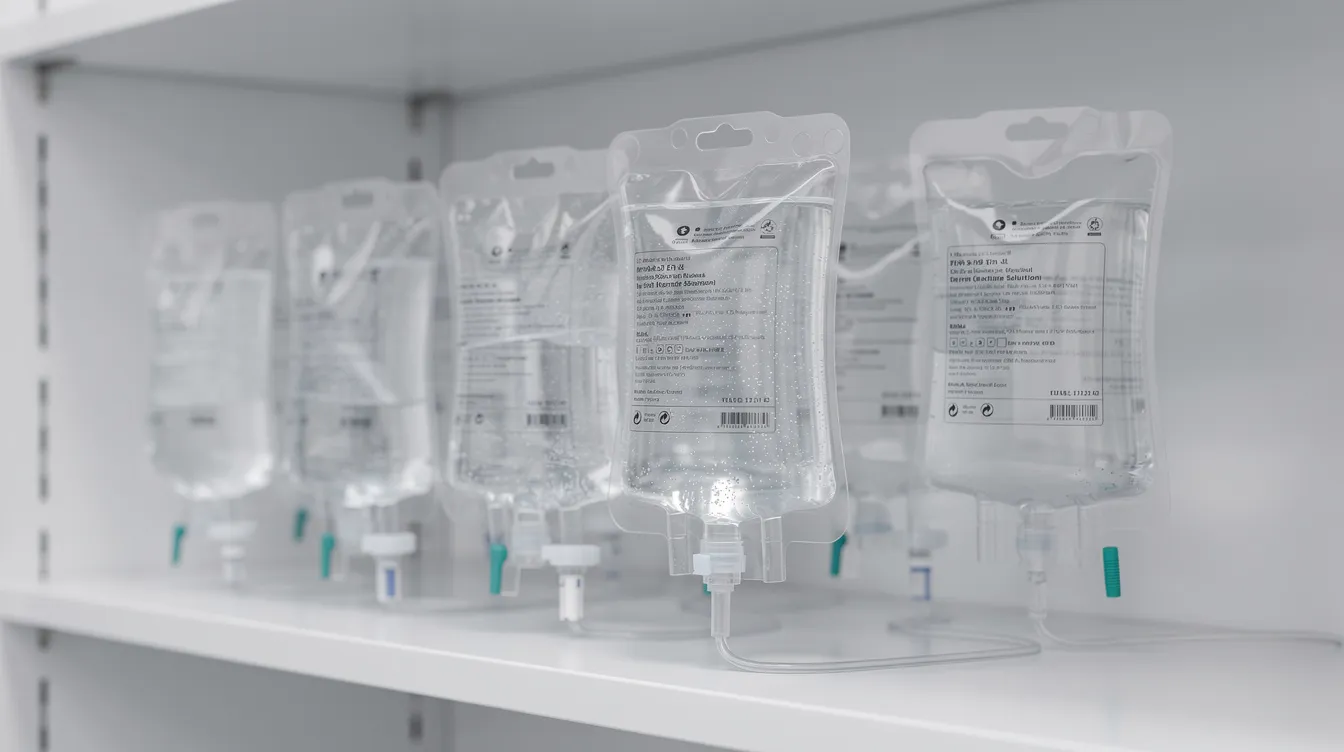
The famous Myers Cocktail, developed by John Myers in the 1970s, combines magnesium, calcium, B vitamins, and vitamin C. It remains popular in consumer intravenous vitamin therapy despite limited rigorous evidence.
Here’s the reality check: iv vitamin therapy delivers vitamins and antioxidants directly into circulation, achieving higher blood levels than oral supplements. However, excess water-soluble vitamins are simply excreted by your kidneys—you don’t store them. A 2020 review in Nutrients found no sustained immune benefits from vitamin infusions in healthy adults. Essential nutrients are generally best obtained through diet unless a healthcare provider has diagnosed specific vitamin deficiencies. Optimizing nutrition is a core component of overall health, and IV therapy should not replace a strong nutritional foundation.
Medications
In clinical settings, IV medication refers to drugs delivered directly into the bloodstream via an intravenous line for rapid effect—such as anti-nausea drugs, anti-migraine medications, and pain relievers. This use of IV medication is distinct from the vitamins and minerals used in spa-style wellness drips and always requires appropriate medical oversight.
What to Expect During an IV Hydration Session
Whether you’re in a hospital or a wellness clinic, iv hydration sessions follow a predictable pattern. Here’s a step-by-step walkthrough.
Pre-Treatment Assessment
Your session begins with a health review. Staff will ask about:
- Medical history and current health status
- Medications you’re taking
- Known allergies (especially to medications or IV solution components)
- Reasons for seeking iv hydration today
A clinician then checks vital signs—blood pressure, pulse, oxygen saturation, sometimes temperature. This screening ensures IV hydration can be administered safely based on your current condition.
Catheter Placement
The actual procedure is quick:
- A vein is selected (usually in the forearm or hand)
- The skin is cleaned with antiseptic
- A small needle with an attached catheter is inserted
- Once placed, the needle is withdrawn, leaving only the soft catheter
- The catheter is taped securely in place
- IV tubing is connected
After connecting the IV tubing, a saline solution is often used to flush the IV line and keep it open, which helps prevent clotting and maintain patency.
Sensations During the Drip
Most people feel a quick pinch during insertion—similar to having blood drawn. Once fluid begins flowing, common sensations include:
- Coolness traveling up the arm (especially at faster flow rates)
- Mild heaviness in the arm
- General relaxation
Significant pain is not normal and should be reported immediately.
Duration
Session length varies depending on:
| Session Type | Typical Duration |
|---|---|
| Simple hydration | 30-45 minutes |
| Hydration + vitamins | 45-60 minutes |
| Larger fluid volumes | 60-90 minutes |
| Medication additions | Varies by drug |
During this time, you can typically read, use your phone, or simply rest.
Completion
When the iv drip finishes:
- The catheter is removed
- Pressure is applied to the site
- A small bandage covers the insertion point
Most people feel more alert or less dizzy within 1-3 hours. The timeline for noticing benefits can vary depending on your starting hydration status.
Who Might Benefit from IV Hydration—and Who Should Avoid It
IV hydration isn’t universally appropriate. Understanding who benefits most—and who faces elevated risks—helps you make informed decisions.
Clear Medical Indications
Medically supervised IV hydration is commonly beneficial for:
- Severe dehydration from vomiting, diarrhea, or inability to drink
- Heatstroke and heat exhaustion requiring rapid fluid replacement
- Post-surgical recovery when oral intake is restricted or inadequate
- Chronic illnesses affecting fluid balance (certain kidney, heart, or endocrine conditions under careful monitoring)
- Acute medical conditions where oral rehydration fails or is contraindicated
In these situations, IV hydration is often medically necessary, not optional.
Wellness-Focused Use Cases
Some people pursue iv treatment for non-emergency purposes:
- Athletes after intense events seeking quick recovery
- Frequent travelers dealing with jet lag and poor oral intake
- People recovering from heavy alcohol use
The evidence here is more mixed. For hangovers, small trials suggest IV therapy resolves symptoms about 40% faster than oral hydration alone—but alcohol’s effects include inflammation and sleep disruption that fluids can’t fully address. For athletes, post-marathon IV saline can help maintain electrolyte levels, but oral rehydration handles mild cases effectively.
Who Should Exercise Caution
Several groups need careful medical evaluation before receiving iv fluids:
Cardiovascular conditions
- Heart failure (especially ejection fraction below 40%)
- Uncontrolled high blood pressure
- Fluid overload risk with rapid infusion
Kidney problems
- Chronic kidney disease (GFR below 30 mL/min)
- History of kidney damage
- Difficulty clearing excess fluid
Endocrine disorders
- Adrenal insufficiency
- Conditions affecting fluid/electrolyte regulation
Other considerations
- Severe allergies (inform clinician of all known reactions)
- Clotting disorders
- History of difficult IV access
- Hypernatremia (sodium above 145 mEq/L)
Populations Requiring Medical Oversight
The following groups should only receive IV hydration after proper medical assessment—not at walk-in wellness bars without physician involvement:
- Pregnant individuals
- Older adults (particularly those with multiple medical conditions)
- People taking multiple medications
- Those with complex medical history
A medical director or supervising physician should review these cases before any iv infusion.
Safety, Risks, and Side Effects of IV Hydration
IV hydration is a common procedure when administered safely by trained staff using sterile equipment. However, any intervention that breaks the skin barrier carries inherent risks. Understanding potential complications helps you recognize problems early.
Minor, Common Side Effects
Most people experience only minor issues that resolve quickly:
- Brief pain or stinging at insertion
- Small bruises at the IV site
- Mild swelling or tenderness
- Temporary discomfort during infusion
These typically clear within a few days without intervention.
Local Complications
Phlebitis (Vein Irritation)
Occurs in approximately 2-5% of peripheral IVs. Signs include:
- Redness along the vein
- Warmth at the site
- Pain or tenderness
- Visible inflammation
Management involves stopping the infusion, removing the catheter, and applying warm compresses.
Infiltration
Happens when iv fluid leaks from the vein into surrounding tissue—reported in 10-20% of IVs. Signs include:
- Localized swelling
- Skin coolness around the site
- Puffiness
- Discomfort
This is managed by discontinuing the IV and elevating the limb. Most cases resolve without lasting problems.
Serious But Uncommon Risks
Rare but more significant potential risks include:
| Complication | Frequency | Frequency Prevention |
|---|---|---|
| Site infection | 1-2% with sterile technique | Proper antiseptic use |
| Bloodstream infection | Rare | Single-use equipment, trained staff |
| Allergic reactions | Variable | Medical history screening |
| Vein thrombosis | Uncommon | Appropriate catheter size |
| Air embolism | Very rare | Proper IV technique |
Unregulated settings (some spas or wellness bars) may have infection rates of 5-10%—significantly higher than properly supervised clinical environments.
Systemic Risks
Too much fluid—or an incorrect electrolyte mix—creates toxicity threat and systemic problems:
- Fluid overload: Shortness of breath, pulmonary edema, particularly dangerous in heart failure patients (risk increases above 20 mL/kg/hour)
- Electrolyte imbalances: Too much potassium affects cardiac conduction; sodium shifts can cause confusion, seizures
- High doses of vitamins: Water-soluble excess is excreted, but potential complications exist with some additives
When to Seek Immediate Help
After an IV session, contact a healthcare provider or go to emergency care if you experience:
- Spreading redness from the IV site
- Fever
- Difficulty breathing
- Chest pain
- Severe swelling
- Persistent dizziness or confusion
Reducing Risk
Choose providers who use:
- Licensed medical professionals for all procedures
- Single-use sterile equipment
- Evidence-based protocols with medical oversight
- Pre-treatment screening including vital signs and medical history review
How Often Can You Get IV Hydration?
Frequency should match medical need, not convenience or marketing schedules. Here’s how to think about appropriate use.
Hospital Settings
In hospitals, IV hydration continues as long as necessary to stabilize patients—sometimes daily or continuously for days. Once someone can drink adequately and maintain fluid balance orally, IV therapy tapers off. The goal is always transitioning to normal intake.
Wellness Settings
Many people use wellness iv therapy occasionally rather than on fixed schedules:
- After a significant illness with dehydration
- Following international travel with jet lag and poor oral intake
- Recovering from major athletic events
- During acute hangovers severe enough to prevent drinking fluids
Occasional use for specific situations is reasonable for healthy adults.
Concerns About Regular, Frequent Use
If you’re considering weekly or multiple-times-monthly infusions, proceed with caution:
- This frequency requires medical supervision
- Periodic lab checks of kidney function and electrolyte levels become important
- Baseline labs help identify any toxicity threat or developing issues
Red Flags
If you feel you “need” iv hydration frequently just to function normally, this may signal an underlying health issue requiring diagnosis:
- Anemia
- Endocrine problems (thyroid, adrenal)
- Sleep disorders
- Chronic infections
- Vitamin deficiencies
- Other medical conditions
Treating symptoms with regular drips without investigating causes can mask serious problems. An internal medicine physician can help identify what’s actually going on.
Between Sessions
IV therapy should support—not replace—healthy habits:
- Maintain good daily hydration with water
- Eat a balanced diet providing essential vitamins and essential nutrients
- Prioritize adequate sleep
- Address underlying causes of fatigue or dehydration
The goal is reducing your need for IV intervention, not creating dependence on it.

FAQ
Is IV hydration better than drinking water for a hangover?
For mild hangovers, oral hydration combined with food and rest typically handles recovery adequately. IV hydration can work faster for people who are severely dehydrated or too nauseated to keep fluids down—small trials suggest symptoms resolve about 40% faster with IV treatment.
However, alcohol-related symptoms aren’t purely about dehydration. Inflammation, sleep disruption, and acetaldehyde accumulation all contribute to how you feel, and fluids directly don’t fully address these factors. Think of IV hydration as a supportive measure for the dehydration component, not a complete hangover cure or license for repeated heavy drinking.
How long do the effects of an IV hydration session last?
The immediate feeling of increased energy, mental clarity, or reduced fatigue often appears within hours and may persist anywhere from several hours to a day or two. The duration depends heavily on your starting hydration status—someone severely dehydrated will notice more dramatic and lasting improvement than someone who was only mildly low on fluids.
Your body quickly restores normal fluid balance through kidney excretion, so long-term hydration benefits come from addressing the underlying cause of dehydration and maintaining good daily fluid intake. If fatigue persists despite IV treatment, that warrants medical evaluation rather than simply scheduling additional infusions.
Can IV hydration help with chronic conditions like migraines or fibromyalgia?
Some clinicians incorporate IV fluids and certain nutrients (particularly magnesium) as part of broader treatment plans for migraines or chronic pain conditions. Observational data in migraine patients suggests 30-50% attack reduction in some cases, and individual patients report meaningful relief.
However, research remains mixed and often comes from small studies without robust randomized controlled trials. These treatments should be considered adjunctive—supporting a comprehensive treatment plan rather than serving as stand-alone primary therapy. Work with your primary care provider or specialist to design an integrated approach that may include, but doesn’t rely solely on, iv vitamin therapy work.
Do I need lab tests before trying IV hydration?
For simple, one-time hydration in an otherwise healthy adult, clinicians may not require labs—but they should still review your medical history, current medications, and check vital signs.
- Lab testing becomes more important for:
- People with kidney disease or heart problems
- Those planning frequent or recurring infusions
- Anyone receiving electrolyte or high-dose vitamin additions
- Individuals with complex medical history
Baseline kidney function, electrolyte levels, and periodic monitoring help ensure safety. Ask your provider how they monitor these factors if you’re considering iv drips as ongoing therapy.
Can I drive or go back to work right after my IV hydration session?
Most people can safely drive and resume light activities after an uncomplicated session, assuming they feel stable and alert. The procedure itself doesn’t impair cognitive function.
Some temporary effects to be aware of:
- Increased need to urinate as your body processes extra fluid
- Occasional lightheadedness during position changes
- Mild fatigue in some individuals
For your first session, consider scheduling at a time without urgent commitments immediately afterward. This lets you gauge your personal response without pressure. Most people adapt quickly and have no issues with their usual activities after subsequent sessions.